
Why Do Days Feel Faster as We Get Older? The Psychological Reason
 EnglishMasteryHub
Article Level: C1-C2
Explanation: Small daily actions shape your future more than big dreams do. Positive habits, patience, and consistency can slowly create success, confidence, and happiness over time. Even tiny choices today can
lead to major changes in the future.
Commonly Used Words from the Article
1. Phenomenon /fəˈnɒmɪnən/ (noun): A fact or situation that is observed to exist or happen.
Climate change is a global phenomenon.
2. Perception /pəˈsɛpʃən/ (noun): The way something is understood or interpreted.
Social media can influence public perception.
3. Repetitive /rɪˈpɛtɪtɪv/ (adjective): Involving repeated actions or patterns.
Repetitive tasks can become mentally exhausting.
4. Intensify /ɪnˈtɛnsɪfaɪ/ (verb): To become stronger or more extreme.
Lack of sleep may intensify stress levels.
5. Consciously /ˈkɒnʃəsli/ (adverb): In a deliberate and aware way.
She consciously avoided wasting time online.
Phrasal Verb
- Look back on /lʊk bæk ɒn/ : To think about something from the past.
He enjoys looking back on his university years.
Idiom
- In the blink of an eye /ɪn ðə blɪŋk əv ən aɪ/ : Extremely quickly or suddenly.
The weekend disappeared in the blink of an eye.
Audio File of the Article
Read more: Why Do Days Feel Faster as We Get Older? The Psychological Reason

Why Do Days Feel Faster as We Get Older? The Psychological Reason
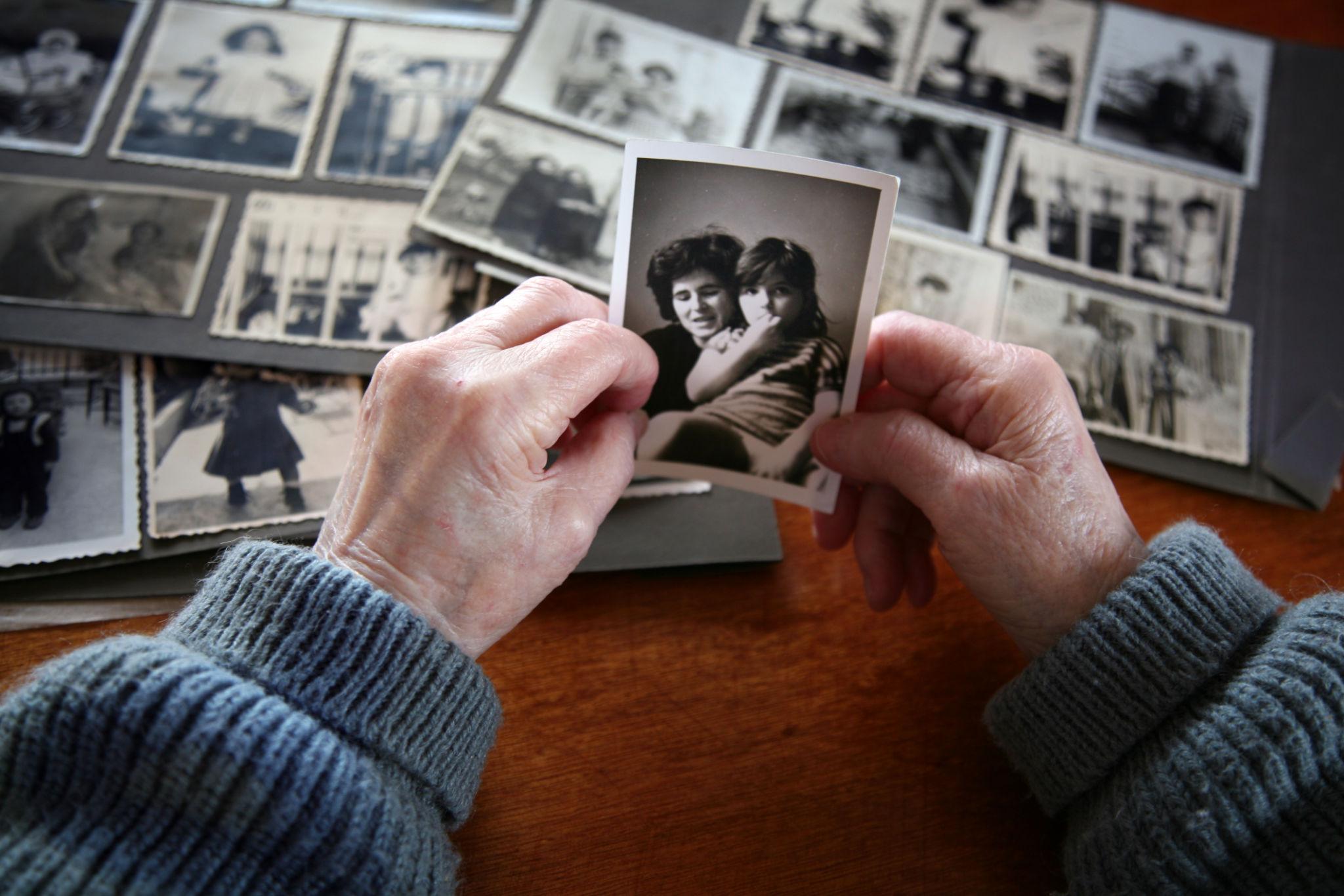
As people grow older, many begin to feel that time is accelerating. Childhood summers once appeared endless, while adulthood often seems to pass in a blur of responsibilities, routines, and deadlines. Although clocks measure time consistently, human perception of time is deeply psychological. Researchers and psychologists have been examining this phenomenon for decades, and several fascinating explanations have emerged.
One widely accepted theory is linked to novelty and memory formation. During childhood, the brain is constantly absorbing unfamiliar experiences. Every new school year, friendship, or achievement feels significant because it is being experienced for the first time. These fresh experiences create detailed memories, making periods of life appear longer when people later reflect upon them.
In contrast, adult life frequently becomes repetitive. Many individuals wake up, commute to work, complete similar tasks, and return home following nearly identical schedules. Because fewer unique memories are being created, the brain compresses these routine periods. Consequently, months and even years may appear to vanish quickly when adults look back on them.
Another psychological factor involves attention. Children tend to live fully in the present moment. They observe details carefully, ask endless questions, and become emotionally engaged with ordinary events. Adults, however, are often distracted by long-term concerns such as financial pressure, career ambitions, or family responsibilities. Since attention strongly influences time perception, distracted individuals may feel that life is passing rapidly without leaving vivid impressions.
Scientists have also suggested that proportional perception plays a significant role. For a five-year-old child, one year represents twenty percent of their entire life. For a fifty-year-old adult, however, a single year forms only a tiny fraction of lived experience. As a result, each passing year may subjectively feel shorter than the previous one.
Modern technology has further intensified this sensation. People have been spending increasing amounts of time scrolling through social media feeds, watching short-form videos, and multitasking online. These activities often encourage passive consumption rather than meaningful engagement. Hours can disappear in the blink of an eye leaving individuals with few memorable experiences attached to that time.
Stress and busyness also contribute to the feeling of accelerated time. Contemporary society frequently rewards productivity over reflection, leaving little opportunity to slow down mentally. Many people move rapidly from one obligation to another without pausing to appreciate daily experiences. Over time, this constant mental pressure can distort the brain’s perception of duration.
Fortunately, psychologists believe there are ways to counteract this effect. Pursuing unfamiliar experiences, travelling, learning new skills, or even altering small daily habits can enrich memory formation and make life feel fuller. Mindfulness practices may also help individuals reconnect with the present moment by encouraging greater awareness of ordinary experiences.
Although time itself does not truly speed up, human perception certainly changes throughout life. By understanding the psychological mechanisms behind this phenomenon, people may become more intentional about how they spend their days. Rather than allowing life to slip away unnoticed, individuals can consciously create experiences that leave lasting impressions and make time feel meaningful once again.
Grammar Notes
Present Perfect Continuous
The article uses the Present Perfect Continuous tense:
- “Researchers and psychologists have been examining this phenomenon for decades.”
- “People have been spending increasing amounts of time scrolling through social media feeds.”
Structure:
Subject+have/has+been+verb(−ing)Subject + have/has + been + verb(-ing)
Usage:
The Present Perfect Continuous is used to describe:
- actions that began in the past and are still continuing
- ongoing activities that have developed over a period of time
- repeated actions with present results
Example:
- “Scientists have been studying human behaviour for centuries.”
Join Our FREE English Grammar Course and improve your grammar skills!
Five Questions Based on the Article
-
How does novelty influence human perception of time?
-
Why do repetitive routines affect memory formation in adulthood?
-
In what way does proportional perception alter our experience of passing years?
-
How has modern technology intensified the sensation of accelerated time?
-
What strategies do psychologists recommend to make life feel more meaningful?
Join Our Weekly English-speaking Class and improve your speaking skills!
We’d love to hear your thoughts! Join the conversation by leaving a comment below. Sharing your insights, questions, or experiences can help you connect with others in our English learning community. It’s a great way to practice your English skills, engage with like-minded individuals, and improve together. Don’t be shy—jump in and let’s keep the discussion going!