
The Hidden Life of Houseplants
 EnglishMasteryHub
Article Level: B1-B2
Explanation: This article explores the hidden life of houseplants and explains how they grow, react, and communicate. It also shows how indoor plants improve wellbeing, reduce stress, and bring people closer to nature in everyday life.
Commonly Used Words from the Article
1. Surroundings /səˈraʊndɪŋz/ (noun): The places and conditions around someone or something.
Plants react to their surroundings.
2. Moisture /ˈmɔɪstʃə/ (noun): A small amount of water or wetness.
Ferns need moisture to grow well.
3. Routine /ruːˈtiːn/ (noun): A regular way of doing things.
Watering plants becomes part of her daily routine.
4. Appreciate /əˈpriːʃieɪt/ (verb): To understand the value of something.
People appreciate plants more after learning about them.
5. Companion /kəmˈpænjən/ (noun): Someone or something that stays with another person.
The plant becomes a quiet companion in the house.
Phrasal Verb
- Grow towards /ɡrəʊ təˈwɔːdz/ : To move or develop in the direction of something.
Sunflowers grow towards the light.
Idiom
-
Part of daily routines /pɑːt əv ˈdeɪli ruːˈtiːnz/ : Something that happens regularly in everyday life.
Drinking tea is part of daily routines in many British homes.
Audio File of the Article
Read more: The Hidden Life of Houseplants

The Hidden Life of Houseplants
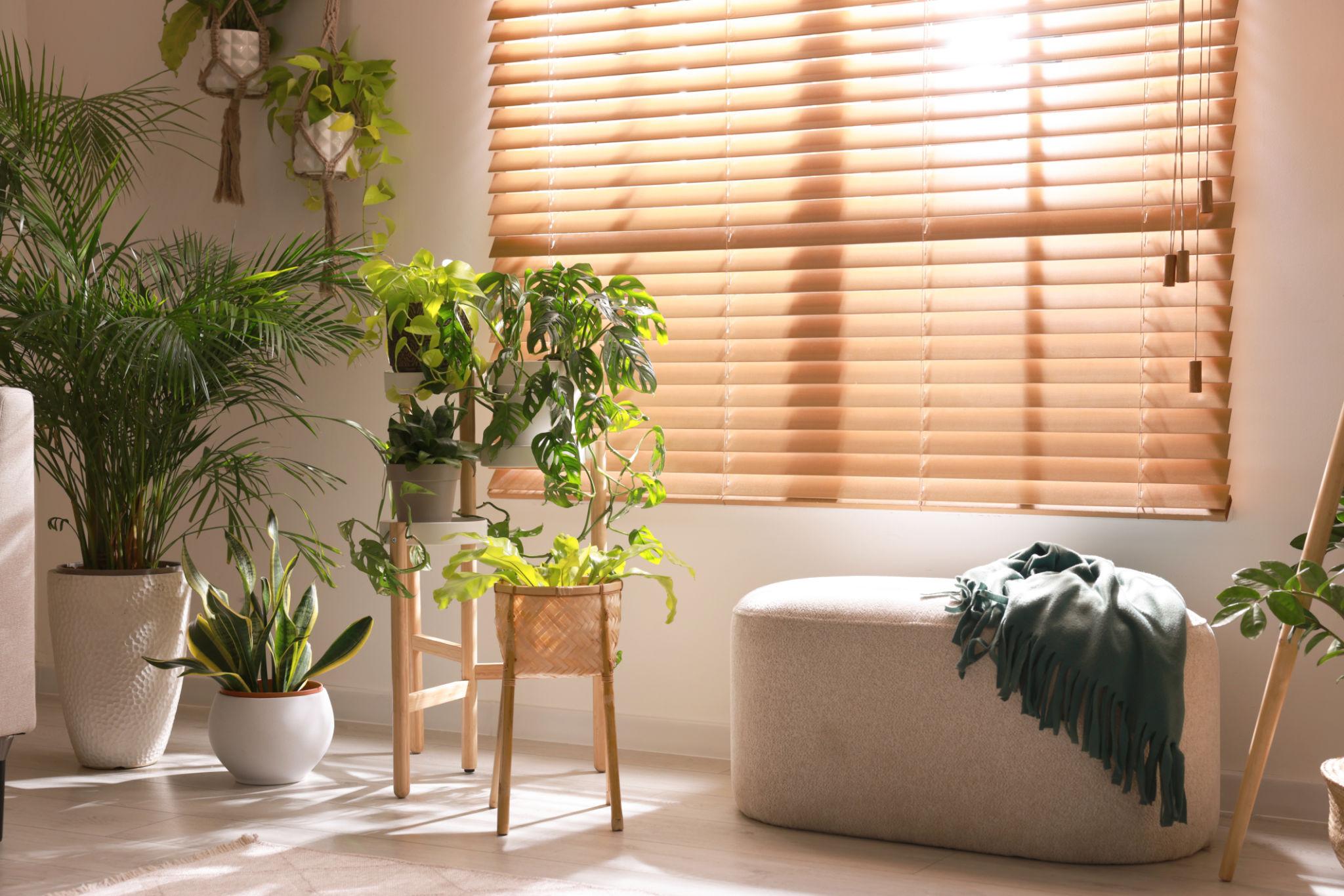
Houseplants do more than decorate a room. They bring colour, freshness, and calm into our homes. Many people enjoy keeping plants because they make indoor spaces feel alive. However, most people do not realise that houseplants have a hidden life full of activity.
Plants may seem quiet, but they are always working. During the day, they absorb sunlight and turn it into energy through a process called photosynthesis. They also take in carbon dioxide and release oxygen into the air. Because of this, many people believe that houseplants improve air quality and create a healthier environment.
Different plants have different personalities and needs. Some plants, such as cacti, prefer dry conditions and bright sunlight. Others, like ferns, enjoy moisture and shade. A good plant owner learns about each plant and gives it the right care. If a plant receives too much water or too little light, it may stop growing or develop yellow leaves.
Interestingly, plants also react to their surroundings. Some plants grow towards sunlight, while others close their leaves at night. Scientists continue to study how plants communicate with each other. Research shows that plants sometimes release chemicals into the air when insects attack them. Nearby plants can detect these chemicals and prepare to protect themselves. This hidden system helps plants survive in nature.
Many people say that caring for plants reduces stress. Watering leaves, checking the soil, and watching new growth can feel relaxing after a busy day. For this reason, houseplants become part of daily routines. Some people even talk to their plants because they believe it helps them grow better. Although science does not fully prove this idea, plants do respond to sound and touch in certain ways.
Houseplants also teach patience. Unlike machines or phones, plants grow slowly. A new leaf may take weeks to appear. Yet this slow process often brings satisfaction. People enjoy seeing the results of regular care over time.
Today, social media has increased interest in indoor gardening. Plant lovers share photos, advice, and tips online. Beginners often learn how to care for plants by watching videos or joining online groups. As a result, more homes now contain small indoor gardens.
Even though houseplants stay quietly in the corner of a room, they live complex and active lives. They breathe, grow, react, and adapt every day. When people understand the hidden life of plants, they often appreciate them more. A simple plant on a windowsill may look ordinary, but it performs amazing work every single day.
In many homes, plants become silent companions that brighten daily life and connect people with nature indoors.
Grammar Notes
Present Simple
The article mainly uses the Present Simple tense because it describes facts, routines, and general truths.
Structure
- Subject + base verb
- Example: “Plants absorb sunlight.”
Examples from the article
- “Houseplants bring colour into homes.”
- “Plants react to their surroundings.”
- “A good plant owner learns about each plant.”
When We Use Present Simple
- General facts
- “Plants release oxygen.”
- Habits and routines
- “People water their plants.”
- Permanent situations
- “Cacti prefer dry conditions.”
Tip :
Use the Present Simple when you talk about science, habits, and everyday activities.
Join Our FREE English Grammar Course and improve your grammar skills!
Five Questions Based on the Article
-
Why do many people keep houseplants in their homes?
-
What happens during photosynthesis?
-
How do plants react when insects attack them?
-
Why do some people find caring for plants relaxing?
- How has social media increased interest in indoor gardening?
Join Our Weekly English-speaking Class and improve your speaking skills!
We’d love to hear your thoughts! Join the conversation by leaving a comment below. Sharing your insights, questions, or experiences can help you connect with others in our English learning community. It’s a great way to practice your English skills, engage with like-minded individuals, and improve together. Don’t be shy—jump in and let’s keep the discussion going!