
What Your Possessions Say About You
 EnglishMasteryHub
Article Level: A1-A2
Explanation: This article explores how the things we own can reflect our personality, memories, interests, and values. It also reminds us that while possessions tell part of our story, true happiness and personal worth come from our character, relationships, and experiences.
Commonly Used Words from the Article
1. Possession /pəˈzɛʃən/ (noun) : Something that belongs to someone.
My favourite possession is a photo of my family.
2. Memory /ˈmɛməri/ (noun) : Something you remember from the past.
This old watch brings back a happy memory.
3. Personality /ˌpɜːsəˈnælɪti/ (noun) : The way a person usually thinks and behaves.
Her personality is friendly and kind.
4. Precious /ˈprɛʃəs/ (adjective) : Very valuable because it is special.
This gift is precious to me.
5. Organised /ˈɔːɡənaɪzd/ (adjective) : Neat and arranged well.
His desk is always organised.
Phrasal Verb
- Throw away /ˌθrəʊ əˈweɪ/ : To get rid of something that you no longer want.
Please do not throw away these old family photographs.
Idiom
- The best of both worlds /ðə bɛst əv bəʊθ wɜːldz/ : A situation where you enjoy the advantages of two different things.
Working from home two days a week gives her the best of both worlds.
Audio File of the Article
Read more: What Your Possessions Say About You

What Your Possessions Say About You
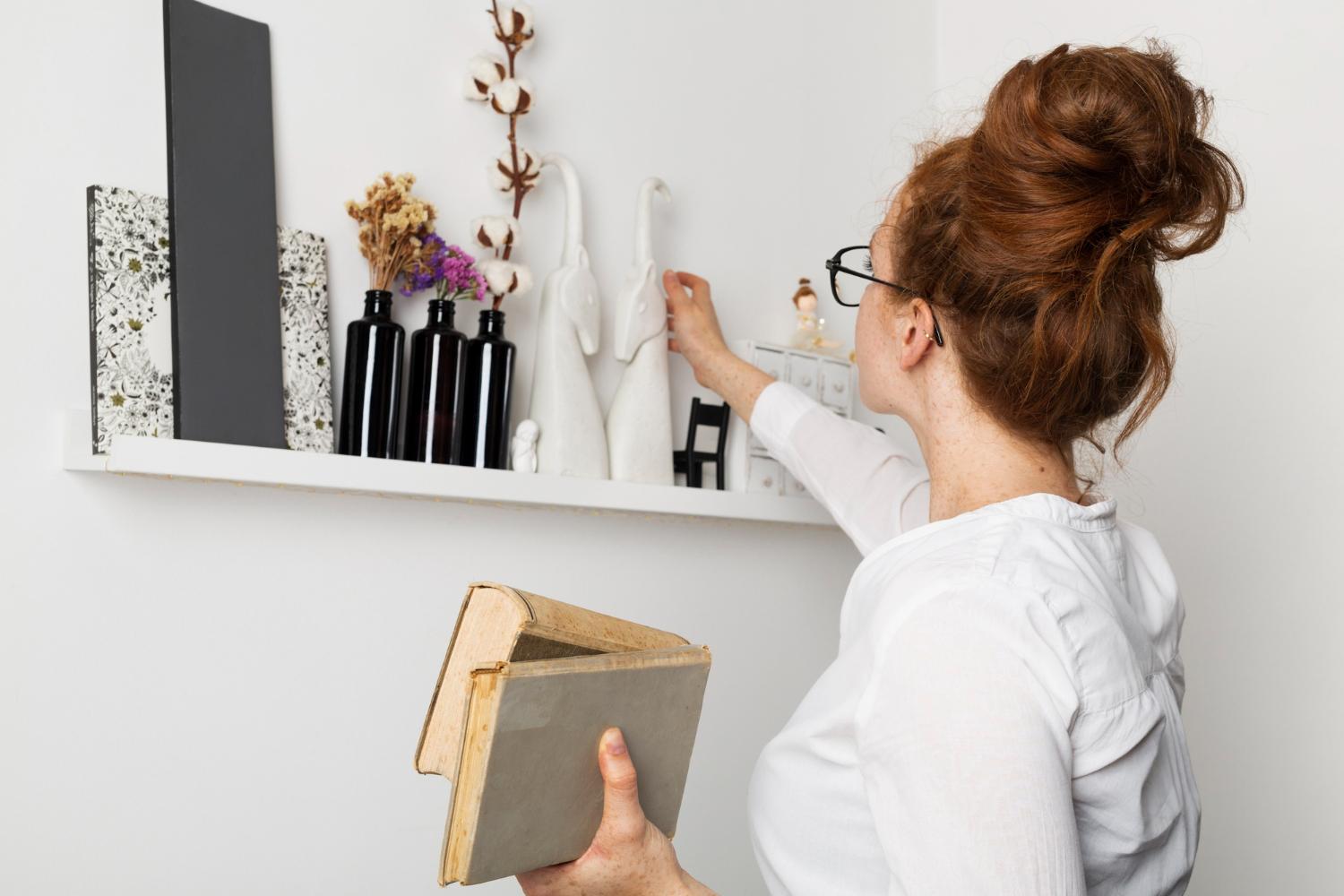
Every person owns different things. Some people have many books. Others have family photos, sports equipment, or small gifts from friends. Our possessions are more than simple objects. They can tell a story about our lives, our interests, and the people we care about.
For example, a person with many travel souvenirs may enjoy visiting new places. Someone with lots of books may love reading and learning. A person who keeps old letters may enjoy remembering happy moments. These objects help us understand what is important to someone.
Many people also keep special things because they have emotional value. A favourite toy from childhood or a birthday card from a grandparent may not be expensive, but it can be very precious. These items remind us of happy memories and important people. Looking at them can make us smile, even after many years.
Our homes can also show our personality. Some people like clean and tidy rooms. Others enjoy colourful decorations, paintings, or plants. There is no right or wrong choice. Everyone creates a space that feels comfortable. Your room may tell visitors something about your hobbies and lifestyle before you even speak.
However, possessions do not tell the whole story. A person with expensive clothes is not always happy, and someone with only a few things is not always poor. Kindness, honesty, and friendship are much more important than the number of things we own. Good people are remembered because of their actions, not because of their possessions.
Sometimes people collect too many things. They may find it difficult to throw away old objects because they have strong memories. Keeping meaningful items is natural, but having too many unnecessary things can make a home feel crowded. Choosing only the things that truly matter can help people feel calmer and more organised.
In the future, many people will be keeping fewer possessions and buying more carefully. They will be choosing quality instead of quantity. Families will be spending more time making memories than collecting objects. These memories will often become more valuable than anything money can buy.
At the end of the day, your possessions are only one part of your story. They show your interests, your experiences, and some of your memories, but they do not define who you are. As people often say, the best of both worlds is having meaningful possessions while also enjoying the simple moments that make life special.
Grammar Notes
Future Continuous Tense
The Future Continuous Tense describes an action that will be happening at a particular time in the future.
Structure:
Subject + will be + verb (-ing)
Examples from the article:
- Many people will be keeping fewer possessions.
- They will be choosing quality instead of quantity.
- Families will be spending more time making memories.
Use the Future Continuous to talk about future activities that will be in progress.
Join Our FREE English Grammar Course and improve your grammar skills!
Five Questions Based on the Article
-
What can possessions tell us about a person?
-
Why do some people keep old letters or birthday cards?
-
What may a tidy room show about someone?
-
Why should people avoid keeping too many unnecessary things?
-
What will many people be doing differently in the future?
Join Our Weekly English-speaking Class and improve your speaking skills!
We’d love to hear your thoughts! Join the conversation by leaving a comment below. Sharing your insights, questions, or experiences can help you connect with others in our English learning community. It’s a great way to practice your English skills, engage with like-minded individuals, and improve together. Don’t be shy—jump in and let’s keep the discussion going!