
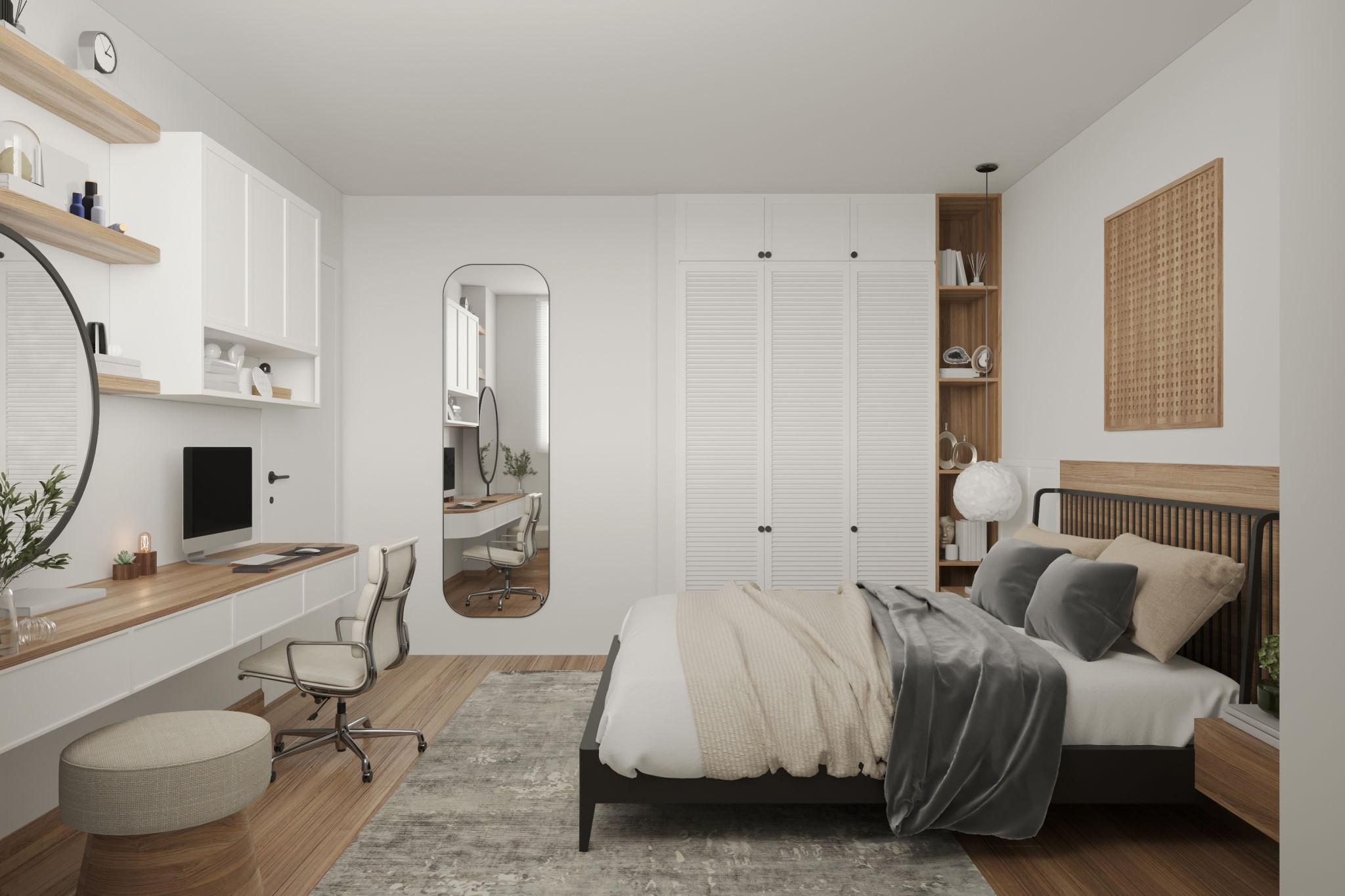
The Direct Effects of Household Order on Mental Health
 EnglishMasteryHub
Article Level: B1-B2
Explanation: This article explains how a clean and organised home can positively affect mental health. It highlights the connection between household order, reduced stress, better focus, healthier habits, and improved relationships in daily life.
Commonly Used Words from the Article
1. Clutter /ˈklʌtə/ (noun): A collection of untidy things in one place.
Too much clutter can make a room feel stressful.
2. Overwhelmed /ˌəʊvəˈwɛlmd/ (adjective): Feeling unable to manage emotions or tasks.
She felt overwhelmed by the mess in her flat.
3. Productivity /ˌprɒdʌkˈtɪvɪti/ (noun): The ability to work effectively.
A clean desk can improve productivity.
4. Concentration /ˌkɒnsənˈtreɪʃən/ (noun): The ability to focus attention.
Noise and clutter reduce concentration.
5. Routine /ruːˈtiːn/ (noun): A regular way of doing things.
He follows a cleaning routine every weekend.
Phrasal Verb
- Tidy up /ˈtaɪdi ʌp/: To clean or organise a place.
They tidy up the living room every evening.
Idiom
- Get out of hand /ɡɛt aʊt əv hænd/ : To become difficult to control.
The mess in the garage got out of hand after several months.
Audio File of the Article
Read more: The Direct Effects of Household Order on Mental Health

The Direct Effects of Household Order on Mental Health
Many people do not realise how strongly their home environment affects their mental health. A clean and organised house can create a calm mind, while a messy space may increase stress and anxiety. Household order is not only about appearance. It also influences emotions, daily habits, and even relationships with other people.
When people live in untidy homes, they often feel overwhelmed. Clothes on the floor, dirty dishes, and crowded rooms can make simple tasks feel more difficult. As a result, stress levels may rise. Some people may also lose motivation because they cannot focus properly in a disorganised environment.
On the other hand, an organised home can improve emotional wellbeing. When everything is in the right place, people usually feel more relaxed and comfortable. They spend less time searching for lost items and more time enjoying their activities. A tidy room can also help people sleep better because the mind feels calmer before bedtime.
Household order may also affect productivity. Students and workers often perform better in clean spaces. A neat desk or organised kitchen allows people to think more clearly and complete tasks faster. In addition, organised surroundings can encourage healthy habits, such as cooking meals at home or exercising regularly.
Relationships can improve as well. Family members sometimes argue about mess and cleaning duties. However, when everyone shares responsibilities, the home becomes more peaceful. People may feel happier and more respected in a well-managed environment. Over time, families can build stronger communication and cooperation.
Keeping a home organised does not mean that everything must be perfect. Small daily habits can make a big difference. For example, people can clean one room at a time, throw away unnecessary items, or create simple storage systems. These actions help prevent clutter from building up.
In the future, many people will have been developing healthier routines through better household organisation. By creating cleaner living spaces, they may experience lower stress levels and improved concentration. Mental health experts already believe that organised environments support emotional balance and personal wellbeing.
It is also important to remember that household order affects physical health. Dust, dirt, and clutter can increase allergies and reduce air quality. A clean environment often supports both body and mind. This is why many experts encourage people to tidy up their homes regularly and avoid situations where stress can get out of hand.
In conclusion, household order has a direct effect on mental health. A clean and organised environment can reduce stress, improve focus, strengthen relationships, and support healthier habits. Even small changes at home may lead to a happier and more balanced life.
Grammar Notes
1. Future Perfect Continuous Tense
Example:
“Many people will have been developing healthier routines.”
Structure:
Subject + will have been + verb(-ing)
Usage:
Shows an action continuing into the future.
2. Present Simple Tense
Used for facts and daily habits.
Example:
“A tidy room can help people sleep better.”
3. Modal Verbs
Can, may, and must express ability, possibility, or advice.
Join Our FREE English Grammar Course and improve your grammar skills!
Five Questions Based on the Article
-
How can a messy home affect a person’s mental health?
-
Why do people often feel calmer in organised spaces?
-
How does household order improve productivity?
-
What small habits can help people keep their homes organised?
-
What does the article say about the connection between physical and mental health?
Join Our Weekly English-speaking Class and improve your speaking skills!
We’d love to hear your thoughts! Join the conversation by leaving a comment below. Sharing your insights, questions, or experiences can help you connect with others in our English learning community. It’s a great way to practice your English skills, engage with like-minded individuals, and improve together. Don’t be shy—jump in and let’s keep the discussion going!