
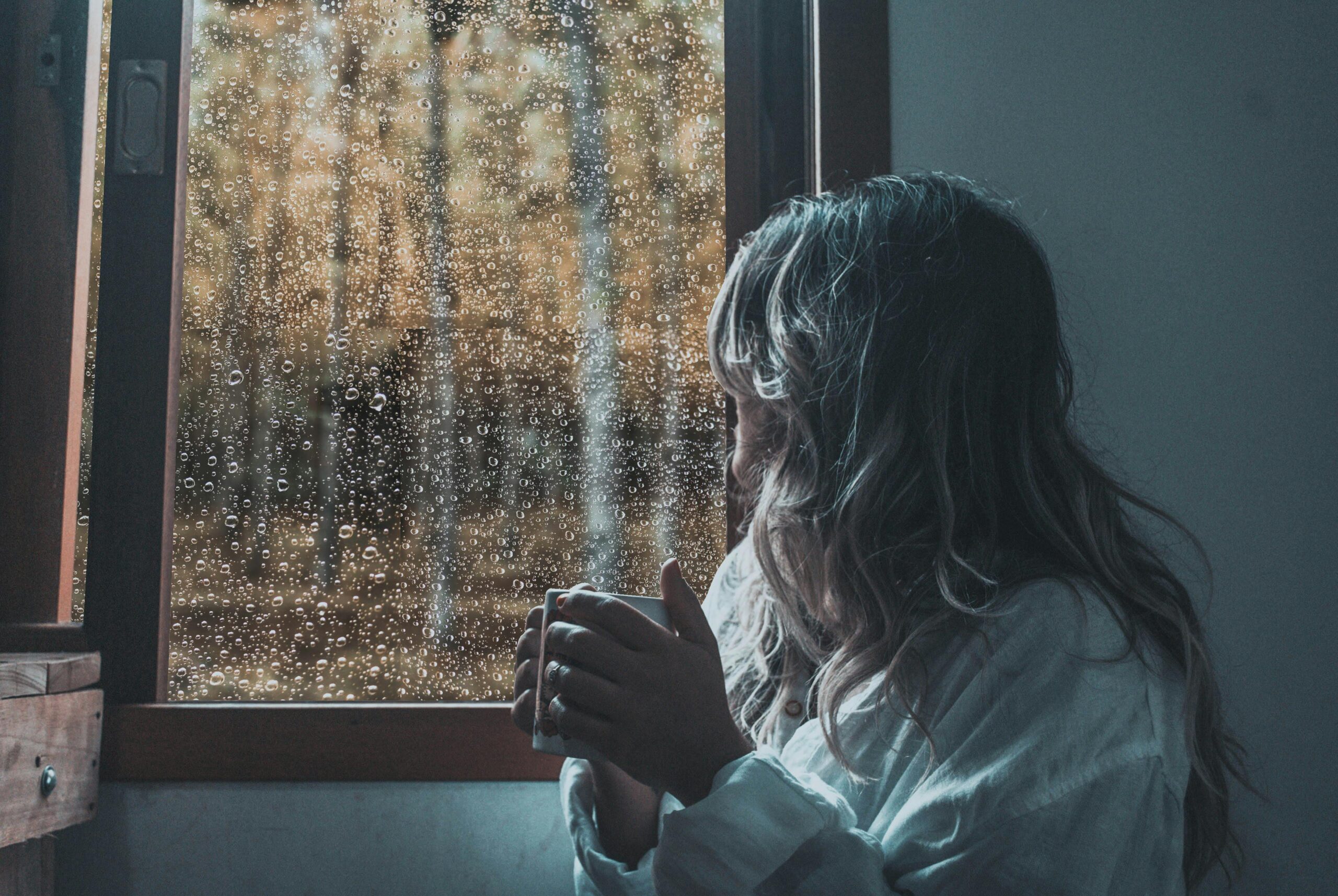
The Calm Brought by the Rain
 EnglishMasteryHub
Article Level: C1-C2
Explanation: Rain creates a calming effect through its gentle sound, fresh atmosphere, and natural rhythm. It helps people relax, reflect, and reconnect with themselves, offering peace and emotional balance in a busy world.
Commonly Used Words from the Article
1. Tranquillity /træŋˈkwɪləti/ (noun): A state of calm and peace.
The rain brings a sense of tranquillity to the busy city.
2. Introspection /ˌɪntrəˈspɛkʃən/ (noun): The act of examining one’s thoughts.
Rainy days often lead to introspection.
3. Atmosphere /ˈætməsfɪə/ (noun): The feeling or mood of a place.
The rain changes the atmosphere completely.
4. Soothing /ˈsuːðɪŋ/ (adjective): Having a calming effect.
The soothing sound of rain helps people relax.
5. Renewal /rɪˈnjuːəl/ (noun): The process of becoming fresh or new again.
Rain symbolises renewal in many cultures.
Phrasal Verb
- Drift off /ˈdrɪft ɒf/ : To gradually fall asleep.
Listening to the sound of rain, he slowly drifted off.
Idiom
-
At peace /æt piːs/ : Feeling calm, relaxed, and free from stress.
She feels at peace whenever she listens to the rain.
Audio File of the Article
Read more: The Calm Brought by the Rain

The Calm Brought by the Rain
Rain often arrives quietly, yet its presence transforms the world in profound ways. For many people, it is more than a simple weather condition; it is a source of calm, reflection, and emotional balance. While modern life moves at a relentless pace, rain invites us to pause, observe, and reconnect with ourselves. It creates a natural rhythm that slows the mind and soothes the senses.
One of the primary reasons rain feels calming lies in its sound. The steady patter against windows or rooftops produces a consistent, gentle rhythm. This sound masks harsh noises and creates a peaceful environment. The brain responds positively to such predictable patterns, allowing thoughts to settle. As a result, many people feel relaxed enough to drift off while listening to the rain, as their minds gradually release tension.
In addition, rain alters the atmosphere in subtle yet meaningful ways. The air becomes fresher, cooler, and often carries a distinctive scent known as petrichor. This sensory experience engages both memory and emotion. For some, it evokes childhood memories; for others, it offers a sense of renewal. In this way, rain brings a unique emotional clarity, helping people feel at peace with themselves and their surroundings.
Rain also encourages introspection. When the outside world slows, people often turn inward. They reflect on their thoughts, emotions, and experiences. This quiet time is essential in a society that constantly demands attention and productivity. The present simple tense captures this truth clearly: rain falls, the world pauses, and the mind rests. These simple patterns highlight how nature consistently provides moments of peace.
Moreover, rain fosters a unique sense of comfort. Sitting indoors while watching rainfall creates a feeling of safety and warmth. This contrast between the external environment and internal shelter strengthens emotional security. People read books, drink tea, or simply observe the rain, allowing themselves to exist without pressure. Such moments remind us that not every second must be productive; sometimes, stillness is enough.
Interestingly, rain also reconnects humans with nature. In urban environments, people often feel disconnected from natural cycles. Rain reintroduces this connection, reminding us of the Earth’s rhythms. It nourishes plants, replenishes water sources, and sustains life. Observing this process can inspire gratitude and a deeper appreciation for the natural world.
In conclusion, the calm brought by the rain is not accidental. It arises from a combination of sensory experiences, psychological responses, and emotional associations. Rain slows the pace of life, encourages reflection, and provides comfort in its simplicity. In a world that rarely stops, rain offers a gentle reminder: sometimes, peace is found not in doing more, but in simply being present.
Grammar Notes
Present Simple Usage
The present simple tense is used to describe general truths, habits, and repeated actions.
Examples from the article:
- Rain falls, the world pauses, and the mind rests.
- Rain often arrives quietly.
Mini Lesson
Use the present simple when describing facts or universal experiences.
Structure:
- Subject + base verb (e.g., Rain calms people.)
- Add -s for third person singular (e.g., It creates a peaceful atmosphere.)
Join Our FREE English Grammar Course and improve your grammar skills!
Five Questions Based on the Article
-
Why does the sound of rain help people relax?
-
How does rain influence human emotions and memory?
-
In what ways does rain encourage introspection?
-
Why is rain described as “a breath of fresh air”?
-
How does rain reconnect people with nature?
Join Our Weekly English-speaking Class and improve your speaking skills!
We’d love to hear your thoughts! Join the conversation by leaving a comment below. Sharing your insights, questions, or experiences can help you connect with others in our English learning community. It’s a great way to practice your English skills, engage with like-minded individuals, and improve together. Don’t be shy—jump in and let’s keep the discussion going!