
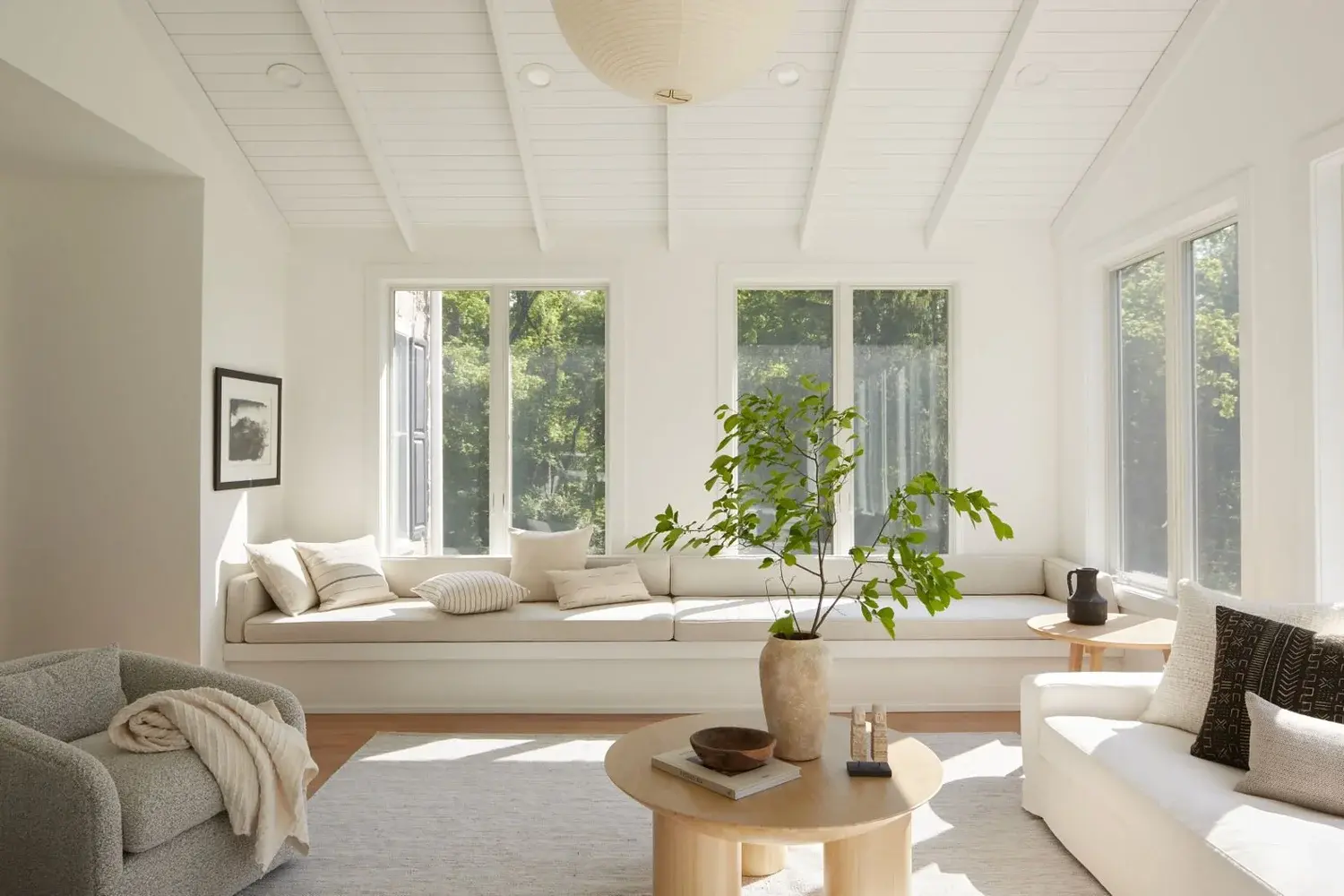
Is Your Home Wearing You Out? The Hidden Psychology of Furniture
 EnglishMasteryHub
Article Level: A1-A2
Explanation: This article explains how furniture can affect your mood and energy. It shows simple ways to organise your home, use light and space better, and create a calm, comfortable environment for daily life.
Commonly Used Words from the Article
1. Furniture /ˈfɜːnɪtʃə/ (noun): Objects like chairs, tables, and beds.
The furniture in my room is very simple.
2. Comfortable /ˈkʌmftəbl/ (adjective): Feeling relaxed and at ease.
This chair is very comfortable.
3. Messy /ˈmesi/ (adjective): Not clean or organised.
His desk is messy.
4. Light /laɪt/ (noun): Brightness from the sun or a lamp.
The room has a lot of light.
5. Relax /rɪˈlæks/ (verb): To feel calm and rest.
I relax after work.
Phrasal Verb
- Get rid of /ɡet rɪd əv/ : To remove something you do not need.
I want to get rid of old clothes.
Idiom
-
Feel at home /fiːl æt həʊm/ : To feel comfortable and relaxed in a place.
I feel at home in my new flat.
Audio File of the Article
Read more: Is Your Home Wearing You Out? The Hidden Psychology of Furniture

Is Your Home Wearing You Out? The Hidden Psychology of Furniture
Your home is a place where you want to feel calm and happy. But sometimes, your home can make you feel tired. You may not know why. The answer can be your furniture.
Furniture is not only for sitting or sleeping. It also affects your mind. For example, a messy room can make you feel stressed. If there are too many chairs, tables, or items, your brain has to work more. This can make you feel tired.
Colours are also important. Dark colours can make a room feel small and heavy. Light colours can make you feel relaxed. A simple and clean space helps your mind rest.
The position of furniture matters too. If you cannot move easily in a room, you may feel uncomfortable. A sofa in the wrong place can block your way. This can make daily life harder and less enjoyable.
Sometimes, people keep old or broken furniture. These items can make you feel unhappy. It is a good idea to get rid of things you do not need. This can help you feel lighter and more comfortable.
Your bedroom is very important. If your bed is not comfortable, you may not sleep well. Poor sleep can make you tired all day. A clean and quiet bedroom helps you relax.
Also, natural light is very helpful. If your furniture blocks the windows, your room may feel dark. Try to let more light in. This can improve your mood and energy.
When your home is simple and organised, you feel better. You can feel at home and enjoy your space more. Small changes can make a big difference.
In conclusion, furniture has a strong effect on your feelings. A well-organised home can help you feel calm, happy, and full of energy. Try to make your home a place that supports you, not one that makes you tired.
Grammar Notes
1. Present Simple Tense
We use the present simple to talk about general facts.
- Example: Furniture affects your mind.
2. Modal “Can”
We use “can” to talk about possibility.
- Example: This can make you feel tired.
3. There is / There are
Used to describe what exists.
- Example: There are too many items in the room.
Tip: Use present simple for general ideas and daily situations.
Join Our FREE English Grammar Course and improve your grammar skills!
Five Questions Based on the Article
-
Why can too much furniture make you feel tired?
-
How do light colours affect a room?
-
Why is it important to have a comfortable bed?
-
What should you do with old or broken furniture?
- How can natural light change your mood?
Join Our Weekly English-speaking Class and improve your speaking skills!
We’d love to hear your thoughts! Join the conversation by leaving a comment below. Sharing your insights, questions, or experiences can help you connect with others in our English learning community. It’s a great way to practice your English skills, engage with like-minded individuals, and improve together. Don’t be shy—jump in and let’s keep the discussion going!