
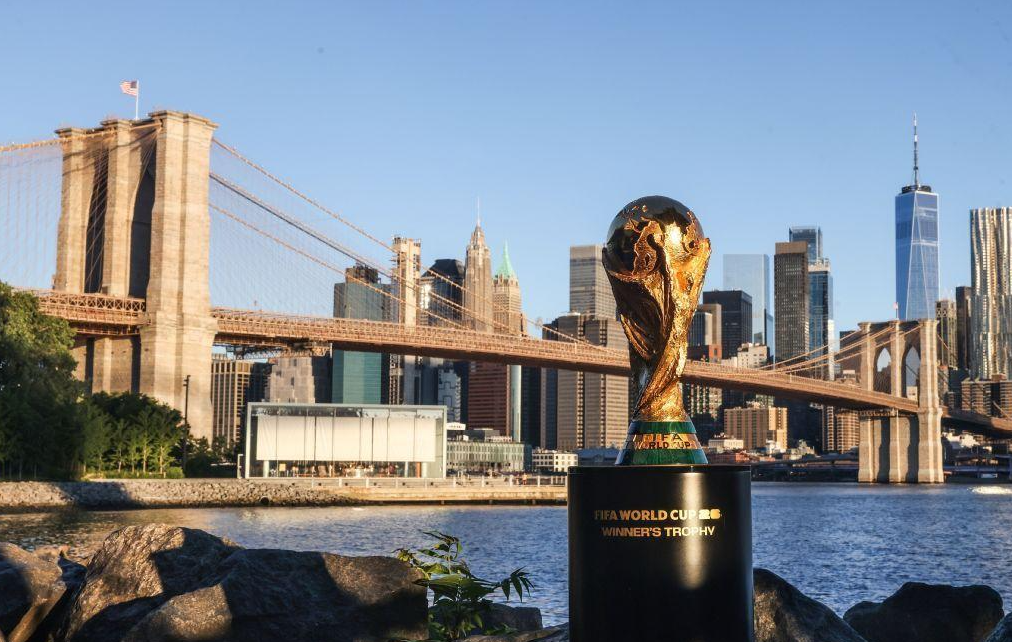
Beyond Football: Why Does the FIFA World Cup Matter?
 EnglishMasteryHub
Article Level: C1-C2
Explanation: The FIFA World Cup is more than a football tournament. It brings people together, promotes cultural exchange, boosts economies, and inspires future generations. This article explores why the World Cup has a lasting impact on societies around the world, both on and off the pitch.
Commonly Used Words from the Article
1. Heritage /ˈherɪtɪdʒ/ (noun) : The traditions, culture, and history passed down through generations.
Scotland is proud of its rich cultural heritage.
2. Resilience /rɪˈzɪliəns/ (noun) : The ability to recover quickly from difficulties.
Her resilience helped her overcome many challenges.
3. Infrastructure /ˈɪnfrəˌstrʌktʃə/ (noun) : The basic systems and facilities that support a country or city.
The government invested heavily in transport infrastructure.
4. Perseverance /ˌpɜːsɪˈvɪərəns/ (noun) : Continued effort despite difficulties.
Perseverance is often the key to long-term success.
5. Legacy /ˈlɛɡəsi/ (noun) : Something valuable left behind for future generations.
The Olympic Games left a lasting legacy for the city.
Phrasal Verb
- Come together /kʌm təˈɡɛðə/ : To unite or gather for a common purpose.
People from different countries came together to support fair play.
Idiom
-
In full swing /ɪn fʊl swɪŋ/ : At the busiest, most active, or most exciting stage.
The music festival was in full swing by the afternoon.
Audio File of the Article
Read more: Beyond Football: Why Does the FIFA World Cup Matter?

Beyond Football: Why Does the FIFA World Cup Matter?
The FIFA World Cup is often described as the greatest football tournament on Earth, yet its importance extends far beyond the ninety minutes played on the pitch. Every four years, billions of people from different cultures, languages, and backgrounds come together to witness a sporting spectacle that reflects far more than athletic excellence. The tournament influences economies, inspires social change, strengthens national identity, and creates memories that can last for generations. Understanding its wider significance helps us appreciate why the World Cup has become one of the most influential global events.
One of the most remarkable aspects of the World Cup is its ability to unite people. During the tournament, supporters proudly wear their national colours while respecting the achievements of teams from around the world. Families, friends, and even strangers gather in homes, cafés, and public squares to celebrate the excitement together. For a few weeks, football becomes a universal language capable of overcoming cultural barriers. Communities often come together despite their differences, demonstrating how sport can encourage understanding and mutual respect.
The competition also has a significant economic impact. Host nations invest heavily in transport systems, stadiums, tourism, and public infrastructure. Although these investments may generate debate, they frequently create employment opportunities and attract millions of international visitors. Local businesses, including restaurants, hotels, and retailers, often benefit from increased demand. If governments manage these developments responsibly, future generations will have benefited from improved facilities long after the final whistle has blown.
Beyond economics, the World Cup provides athletes with an extraordinary platform to inspire others. Young people watching their sporting heroes often become motivated to pursue healthier lifestyles or develop greater discipline and determination. Many footballers have overcome poverty, discrimination, or personal hardship before achieving international success. Their stories remind audiences that perseverance and dedication can transform ambitious dreams into remarkable accomplishments.
The tournament also encourages cultural exchange. Visitors experience local traditions, cuisine, music, and customs, while host countries proudly introduce their heritage to an international audience. Television broadcasts and digital media allow billions of viewers to discover places they may never have considered visiting before. By the end of the competition, countless people will have gained a broader understanding of different societies, making international cooperation feel more accessible and meaningful.
Of course, the World Cup is not without controversy. Environmental concerns, financial costs, and political debates frequently accompany preparations for the event. These issues deserve careful examination, as responsible planning is essential for ensuring that the tournament leaves a positive legacy. Nevertheless, such discussions also encourage governments, organisations, and supporters to reflect on how future competitions can become more sustainable and inclusive.
Ultimately, the FIFA World Cup represents far more than a football championship. It celebrates human ambition, resilience, diversity, and cooperation on a truly global stage. When the tournament reaches its conclusion, the excitement may fade, but its influence continues to shape communities, inspire future athletes, and strengthen international connections. For millions of people, the World Cup is not merely a sporting event; it is an opportunity to witness humanity at its finest, proving that the beautiful game possesses the power to change perspectives as well as score goals. Throughout the tournament, the excitement is often in full swing, reminding the world that football is capable of creating moments that transcend sport itself.
Grammar Notes
1. Future Perfect Tense
Used for actions completed before a future time.
Structure: Subject + will have + past participle
Example:
- Future generations will have benefited from improved facilities.
2. Present Simple
Used for facts and general truths.
Example:
- The World Cup influences economies.
3. Present Perfect
Used for actions connected to the present.
Example:
- The World Cup has become one of the most influential global events.
4. Modal Verbs
Used to express possibility or ability.
Example:
- Football can encourage understanding.
5. Relative Clauses
Used to add extra information.
Example:
- Athletes who overcome hardship often inspire young people.
Join Our FREE English Grammar Course and improve your grammar skills!
Five Questions Based on the Article
-
How does the article explain the World Cup’s role in promoting cultural understanding?
-
What long-term economic benefits might host countries experience after the tournament?
-
Why are footballers presented as sources of inspiration beyond their sporting achievements?
-
How does the article balance the positive impacts of the World Cup with its controversies?
-
In what ways does the article suggest that the FIFA World Cup influences global society beyond sport?
Join Our Weekly English-speaking Class and improve your speaking skills!
We’d love to hear your thoughts! Join the conversation by leaving a comment below. Sharing your insights, questions, or experiences can help you connect with others in our English learning community. It’s a great way to practice your English skills, engage with like-minded individuals, and improve together. Don’t be shy—jump in and let’s keep the discussion going!