
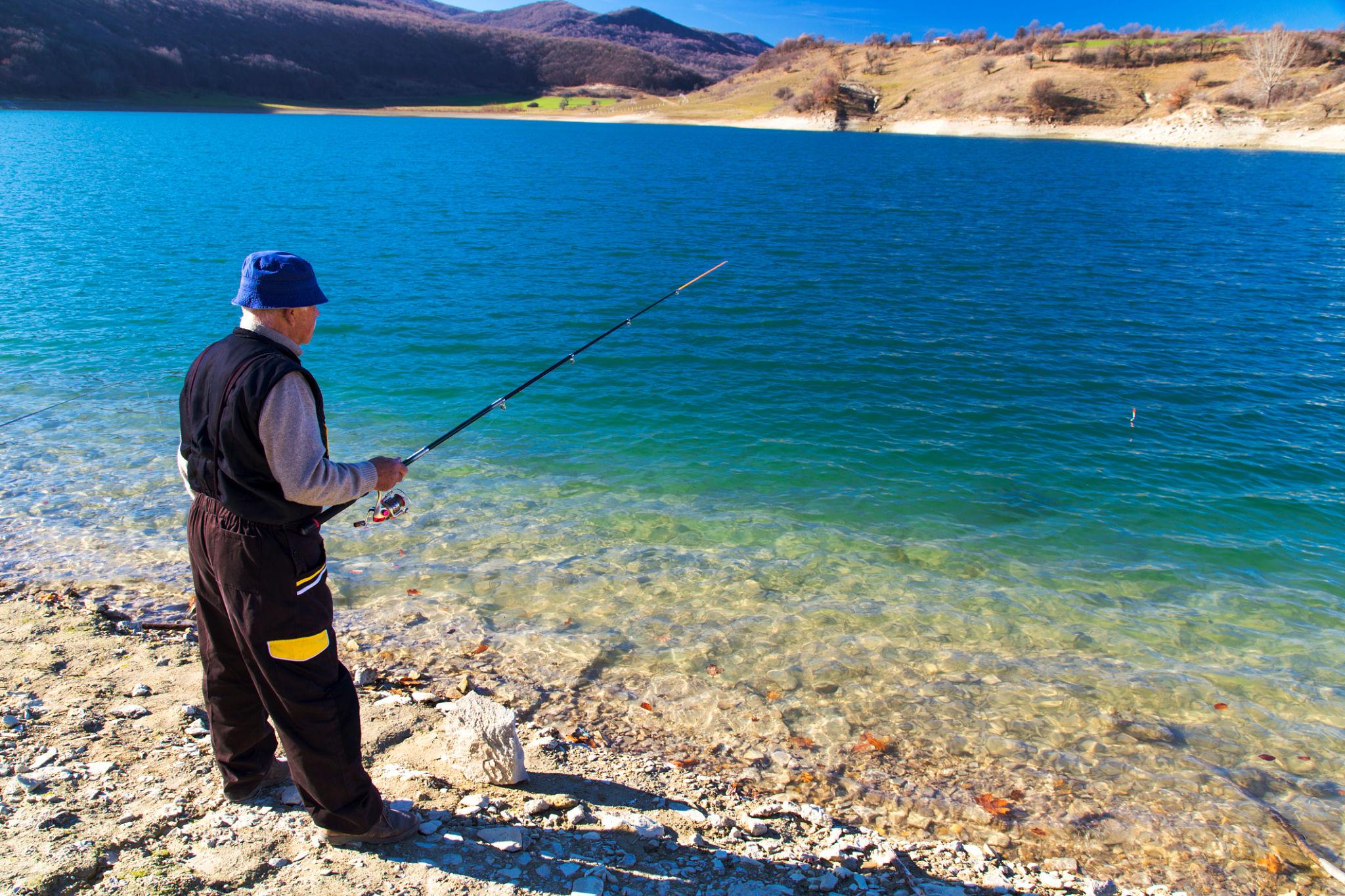
The Hidden Benefits of Fishing
 EnglishMasteryHub
Article Level: B1-B2
Explanation: Discover the hidden benefits of fishing beyond simply catching fish. This article explores how fishing reduces stress, builds patience, strengthens relationships, encourages a love of nature, and promotes a healthier, more balanced lifestyle for people of all ages.
Commonly Used Words from the Article
1. Benefit /ˈbenɪfɪt/ (noun): A helpful or positive result.
Regular exercise has many health benefits.
2. Patience /ˈpeɪʃəns/ (noun): The ability to stay calm while waiting.
Fishing teaches patience and self-control.
3. Concentration /ˌkɒnsənˈtreɪʃən/ (noun): The ability to focus on something.
Good concentration helps students learn faster.
4. Ecosystem /ˈiːkəʊˌsɪstəm/ (noun): A community of living things and their environment.
Pollution can damage the local ecosystem.
5. Rewarding /rɪˈwɔːdɪŋ/ (adjective): Giving satisfaction or a sense of achievement.
Helping other people is very rewarding.
Phrasal Verb
- Set off /ˈset ˌɒf/ : To begin a journey.
They set off before sunrise to reach the lake early.
Idiom
- Get away from it all /ɡet əˈweɪ frəm ɪt ɔːl/ : To escape from the stress and routine of everyday life.
Many people go fishing to get away from it all during the weekend.
Audio File of the Article
Read more: The Hidden Benefits of Fishing

The Hidden Benefits of Fishing
Fishing is often seen as a simple outdoor activity, but it offers many hidden benefits that go far beyond catching fish. People of all ages enjoy spending time by rivers, lakes, and the sea because fishing provides relaxation, teaches valuable life skills, and creates unforgettable memories. Whether someone is an experienced angler or a complete beginner, fishing can become a rewarding hobby that improves both physical and mental well-being.
One of the greatest benefits of fishing is the opportunity to reduce stress. Modern life is often busy and noisy, making it difficult to relax. Sitting quietly beside the water allows people to slow down and enjoy the peaceful surroundings. The sound of flowing water, fresh air, and natural scenery can help calm the mind. Many people say they feel refreshed after a few hours of fishing because they have taken a break from technology and everyday responsibilities. For many people, fishing is the perfect way to get away from it all and enjoy the peace of nature.
Fishing also encourages patience and concentration. Unlike many fast-paced activities, fishing requires people to wait calmly for the right moment. They must observe the water, choose suitable equipment, and pay attention to small movements. These skills can be useful in many other areas of life, including work and education. Learning to stay patient often helps people make better decisions and remain focused during challenging situations.
Another hidden advantage is the chance to strengthen relationships. Families and friends often go fishing together, giving them time to talk without distractions. Last summer, my uncle and I set off early in the morning to fish at a quiet lake. Although we only caught a few fish, we laughed, shared stories, and enjoyed every moment together. That simple trip became one of my favourite memories because the experience mattered more than the results.
Fishing can also increase people’s appreciation of nature. Regular anglers learn about different fish species, weather conditions, and local ecosystems. They often understand the importance of protecting rivers and lakes for future generations. Many fishing communities organise clean-up events and encourage responsible behaviour to keep natural environments healthy.
In addition, fishing provides gentle physical exercise. Walking along riverbanks, carrying equipment, and casting a fishing rod help improve balance and coordination. Although fishing is not as intense as many sports, it still keeps people active while allowing them to enjoy the outdoors. This combination of movement and relaxation makes it an excellent activity for people of different ages.
Whether someone catches a large fish or simply enjoys a peaceful afternoon by the water, the experience can still be valuable. Fishing reminds people that slowing down, spending time outdoors, and appreciating nature are sometimes the greatest rewards of all.
In conclusion, fishing is much more than a recreational pastime. It reduces stress, improves patience, strengthens relationships, encourages environmental awareness, and promotes gentle exercise. These hidden benefits explain why so many people continue to enjoy fishing year after year. The next time you see someone sitting quietly by the water, remember that they may be gaining far more than just today’s catch.
Grammar Notes
Grammar Focus: Past Simple
The Past Simple is used to describe completed actions or events that happened at a specific time in the past.
Examples from the article:
- Last summer, my uncle and I set off early in the morning.
- We caught a few fish.
- We laughed, shared stories, and enjoyed every moment together.
- That simple trip became one of my favourite memories.
Structure
Affirmative: Subject + past simple verb
Example: They enjoyed the trip.
Negative: Subject + did not (didn’t) + base verb
Example: They didn’t catch many fish.
Question: Did + subject + base verb?
Example: Did you enjoy the fishing trip?
The article also uses:
- Present Simple (to describe general facts and habits)
- Modal verb “can” (to express ability and possibility)
- Infinitives (e.g. to relax, to protect)
Join Our FREE English Grammar Course and improve your grammar skills!
Five Questions Based on the Article
-
Why does fishing help people reduce stress?
-
What skills can people develop while fishing?
-
What happened during the writer’s fishing trip with their uncle?
-
How does fishing encourage people to protect nature?
-
Why do many people go fishing to get away from it all?
Join Our Weekly English-speaking Class and improve your speaking skills!
We’d love to hear your thoughts! Join the conversation by leaving a comment below. Sharing your insights, questions, or experiences can help you connect with others in our English learning community. It’s a great way to practice your English skills, engage with like-minded individuals, and improve together. Don’t be shy—jump in and let’s keep the discussion going!