
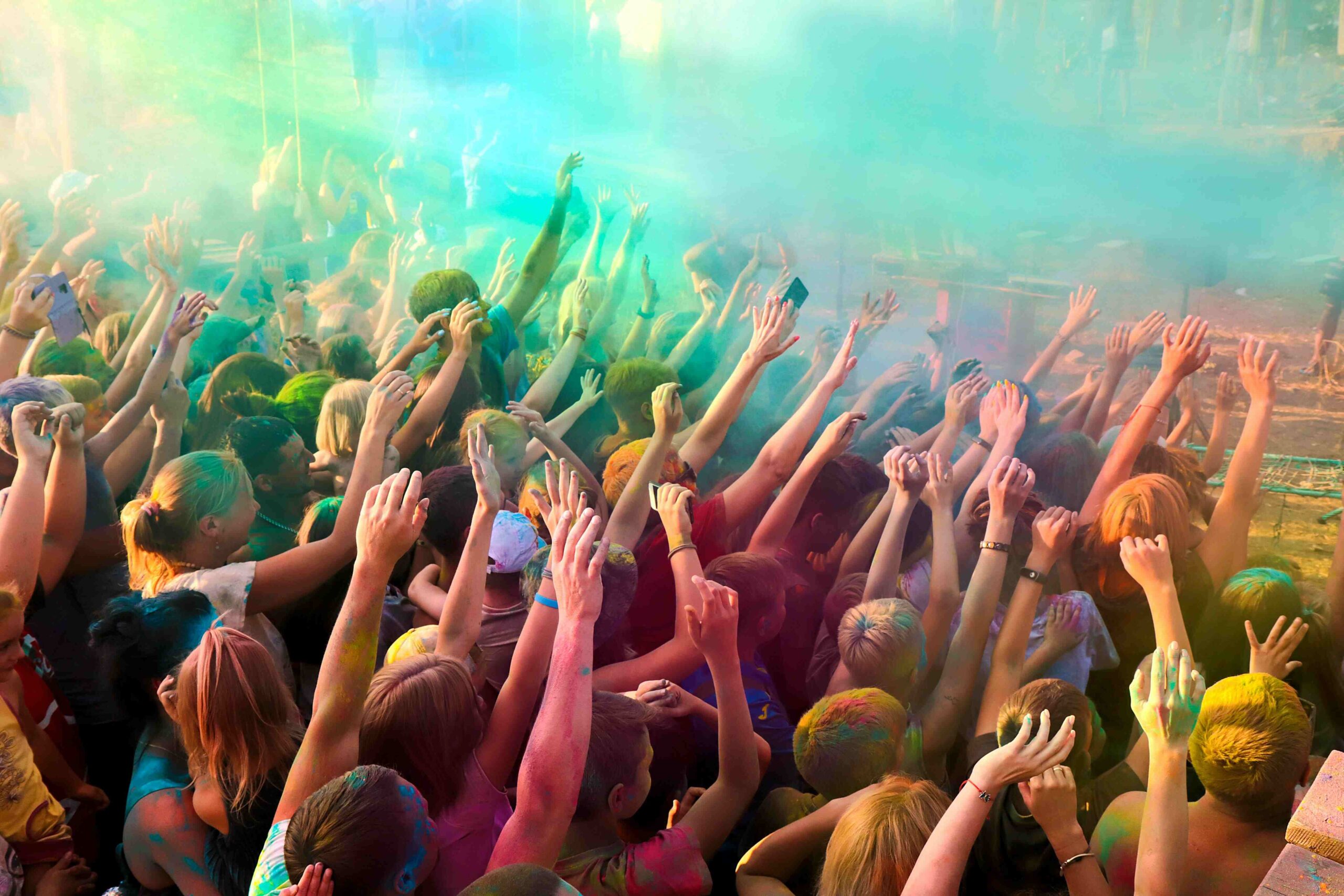
Festivals Around the Globe: Traditions, Colors, and Joy
 EnglishMasteryHub
Article Level: A1-A2
Explanation: This article explores colourful festivals from around the world, including Diwali, Chinese New Year, Carnival, Christmas, and Hanami. It explains their traditions, activities, and the joy they bring to families and communities.
Commonly Used Words from the Article
1. Culture /ˈkʌltʃə/ (noun): The ideas and traditions of a group of people.
Each festival shows a part of a country’s culture.
2. Tradition /trəˈdɪʃən/ (noun): A custom that people follow for a long time.
Lighting lamps at Diwali is an old tradition.
3. Celebration /ˌsɛlɪˈbreɪʃən/ (noun): A happy event or activity.
Carnival is a big celebration in Brazil.
4. Fortune /ˈfɔːtʃuːn/ (noun): Good luck.
Red brings good fortune in Chinese New Year.
5. Energy /ˈɛnəʤi/ (noun): Power or excitement.
The streets are full of energy during Carnival.
Phrasal Verb
-
Put on /pʊt ɒn/ (phrasal verb): To organise or present a show or event.
They put on a big fireworks show for the festival.
Idiom
-
Burst with joy /bɜːst wɪð ʤɔɪ/ (idiom): To be very full of happiness.
The festival made the whole town burst with joy.
Audio File of the Article
Read more: Festivals Around the Globe: Traditions, Colors, and Joy

Festivals Around the Globe: Traditions, Colors, and Joy
Festivals are special times when people come together to celebrate life, culture, and community. Around the world, many countries enjoy bright colours, happy music, and traditional food during these events. Although each festival is different, they all share one thing: joy.
One famous festival is Diwali in India. It is also called the Festival of Lights. Families clean their homes, light small lamps, and enjoy sweet foods. Bright lights and warm smiles make the night feel magical. People believe that Diwali brings hope and new beginnings.
Another popular festival is the Chinese New Year. It marks the start of a new year in the lunar calendar. Families spend time together, cook special meals, and watch colourful dragon dances. Many people decorate their homes with red paper. Red is a lucky colour that brings good fortune.
In Brazil, people enjoy Carnival, a festival full of dancing, glitter, and music. People wear beautiful costumes and walk in big parades. The streets are full of energy and excitement. It is a time to have fun and enjoy the rhythm of samba music.
In the United Kingdom, Christmas is one of the biggest celebrations. People decorate trees, exchange gifts, and sing songs. Families enjoy a warm meal together. Many towns also have Christmas markets with lights, crafts, and sweets. It is a holiday that brings families and communities close.
Japan celebrates Hanami every spring. During this festival, people sit under cherry blossom trees to enjoy the pink flowers. Friends and families share food, laugh together, and take photos. The cherry blossoms remind people that life is beautiful and short.
Festivals help people learn about each other. They also help communities stay strong. When people gather, share food, and enjoy traditions, they become closer. Festivals also help us understand the world better. They show how different cultures celebrate love, peace, and happiness.
During festivals, many places put on special shows, such as fireworks or parades. These moments bring excitement to everyone. Some people travel far to join these events because they want to feel the celebration burst with joy.
No matter where you are, there is always a festival that can make you smile. From lights and music to food and dancing, festivals are colourful reminders that life is full of happy moments.
Grammar Notes
1. Present Simple Tense
Used for facts and routines.
Examples:
-
People celebrate festivals.
-
Families share food.
2. Descriptive Adjectives
Used to describe nouns.
Examples: bright colours, special meals, warm smiles.
3. Prepositions of Time
Used to show when something happens.
Examples: in spring, during the festival.
Mini Lesson
Use present simple to talk about things that happen regularly or are always true.
Example: “People enjoy festivals” (not are enjoying).
Join Our FREE English Grammar Course and improve your grammar skills!
Five Questions Based on the Article
-
What do people celebrate during Diwali?
-
Which colour is lucky during Chinese New Year?
-
What do people do during Carnival in Brazil?
-
How do families celebrate Christmas in the UK?
-
What do people enjoy during Hanami in Japan?
Join Our Weekly English-speaking Class and improve your speaking skills!
We’d love to hear your thoughts! Join the conversation by leaving a comment below. Sharing your insights, questions, or experiences can help you connect with others in our English learning community. It’s a great way to practice your English skills, engage with like-minded individuals, and improve together. Don’t be shy—jump in and let’s keep the discussion going!