
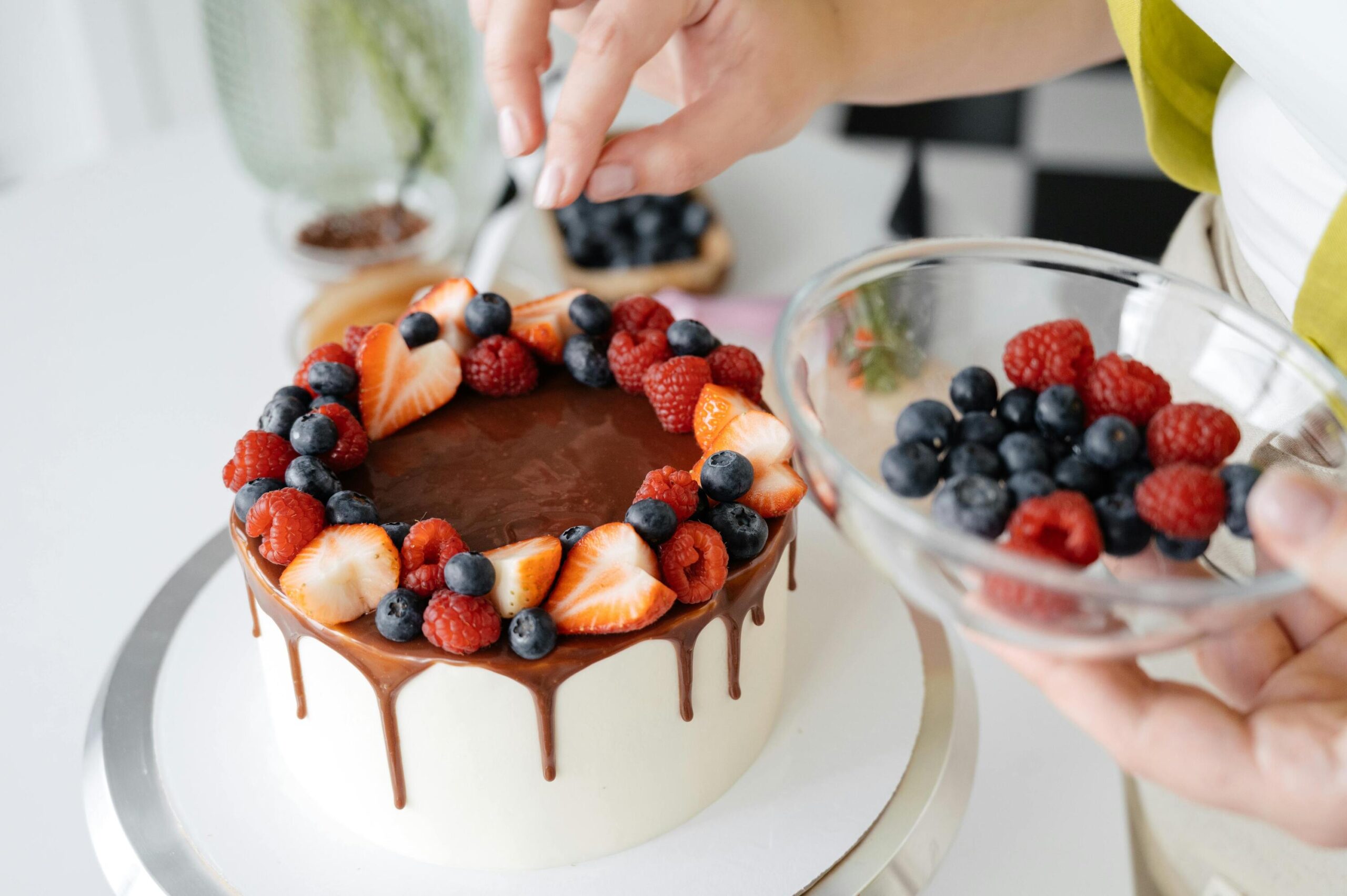
Is Baking Just a Hobby – Or a Form of Therapy?
 EnglishMasteryHub
Article Level: B1-B2
Explanation: This article explores whether baking is simply a hobby or a therapeutic activity. It explains how baking reduces stress, improves mood, supports creativity, and strengthens social connections, showing how it can positively affect mental well-being.
Commonly Used Words from the Article
1. Comfort /ˈkʌmfət/ (noun): A feeling of physical or emotional ease.
The smell of bread brings comfort.
2. Predictable /prɪˈdɪktəbl/ (adjective): Expected or easy to guess.
The result of the recipe is usually predictable.
3. Achievement /əˈtʃiːvmənt/ (noun): Something done successfully.
Finishing the cake gave her a sense of achievement.
4. Creativity /ˌkriːeɪˈtɪvəti/ (noun): The ability to produce original ideas.
Baking allows creativity in the kitchen.
5. Connection /kəˈnekʃən/ (noun): A relationship between people.
Sharing food creates a strong connection.
Phrasal Verb
- Cheer up /tʃɪə ʌp/ : To become happier.
Baking her favourite cake helped her cheer up.
Idiom
-
At home /ət həʊm/: Feeling comfortable and relaxed in a place.
She feels at home when she is baking in her kitchen.
Audio File of the Article
Read more: Is Baking Just a Hobby – Or a Form of Therapy?

Is Baking Just a Hobby – Or a Form of Therapy?
In recent years, baking has become more than just a way to prepare food. For many people, it is a peaceful activity that offers comfort and emotional support. This raises an interesting question: is baking simply a hobby, or can it also be a form of therapy?
At first glance, baking may seem like a simple kitchen task. You measure flour, mix ingredients, and wait for the cake or bread to rise. However, the process involves focus and patience. When you bake, you must follow clear steps. This structure helps your mind slow down and concentrate on one activity at a time. As a result, worries often become quieter while your attention is on the recipe.
Many people say that baking helps them relax after a stressful day. The act of stirring, kneading dough, or decorating biscuits can feel calming. Repeating small actions gives the brain a sense of control. In a busy world where many things feel uncertain, baking provides something predictable. You can see the results of your effort in a short time, which brings a feeling of achievement.
There is also a strong connection between baking and memory. The smell of fresh bread or warm cake can remind us of childhood or family gatherings. These positive memories create comfort and safety. When someone feels low or anxious, baking a familiar recipe can lift their mood. It may not solve serious problems, but it can help them cheer up and feel more balanced.
Another reason baking can be therapeutic is creativity. Although recipes offer guidance, you can still experiment with flavours and designs. Adding new ingredients or trying different shapes allows self-expression. Creative activities are often recommended by mental health experts because they reduce stress and improve well-being. Baking combines creativity with practical skills, making it both useful and enjoyable.
Moreover, sharing baked goods with others strengthens social bonds. Giving a homemade cake to a friend or neighbour can brighten their day. This simple act of kindness helps people feel connected. In difficult times, staying in touch with others is important for emotional health. Baking can therefore bring people together and create moments of joy.
Of course, baking cannot replace professional therapy when someone is facing serious mental health challenges. However, it can be a healthy coping strategy. It encourages mindfulness, creativity, and connection. These elements are important for emotional stability.
So, is baking just a hobby? For some, it is simply a weekend activity. For others, it is much more. It is a way to slow down, express feelings, and care for themselves and others. In this sense, baking is not only about cakes and bread. It can also be a gentle form of therapy that supports mental well-being and helps people feel at home in their own kitchen.
Grammar Notes
1. Present Simple
Use: General truths and habits.
Example: “Baking provides something predictable.”
Structure:
Subject + base verb
(Add -s for he/she/it)
2. Modal Verb “Can”
Use: Possibility or ability.
Example: “Baking can lift their mood.”
Structure:
Subject + can + base verb
(The verb does not change after can.)
3. Relative Clauses
Use: To add extra information about a noun.
Example: “In a busy world where many things feel uncertain…”
Join Our FREE English Grammar Course and improve your grammar skills!
Five Questions Based on the Article
-
Why does baking help people focus and reduce worries?
-
How can baking improve someone’s mood?
-
In what way is baking connected to memory and childhood?
-
Why is creativity important for mental health?
-
How does sharing baked goods strengthen social connections?
Join Our Weekly English-speaking Class and improve your speaking skills!
We’d love to hear your thoughts! Join the conversation by leaving a comment below. Sharing your insights, questions, or experiences can help you connect with others in our English learning community. It’s a great way to practice your English skills, engage with like-minded individuals, and improve together. Don’t be shy—jump in and let’s keep the discussion going!