
Why Does Waiting Feel So Difficult?
 EnglishMasteryHub
Article Level: C1-C2
Explanation: This article explores why waiting feels difficult, linking it to uncertainty, loss of control, and modern speed. It shows how reframing delays as preparation can help us develop patience, resilience, and clearer perspective.
Commonly Used Words from the Article
1. Resilience /rɪˈzɪlɪəns/ (noun): The ability to recover from challenges.
Developing resilience helps us respond calmly to uncertainty.
2. Vigilance /ˈvɪdʒɪləns/ (noun): Careful watchfulness for danger.
Constant vigilance can exhaust the mind during long waits.
3. Ambiguous /æmˈbɪɡjuəs/ (adjective): Having more than one possible meaning.
Ambiguous outcomes often trigger needless worry.
4. Perseverance /ˌpɜːsɪˈvɪərəns/ (noun): Steady persistence despite difficulty.
Perseverance is essential when progress feels slow.
5. Reframe /ˌriːˈfreɪm/ (verb): To view something from a different perspective.
If you reframe waiting as preparation, it becomes more tolerable.
Phrasal Verb
- hold on /ˈhəʊld ɒn/: To continue despite difficulty; to endure.
She decided to hold on until the results arrived.
Idiom
- the calm before the storm /ðə kɑːm bɪˈfɔː ðə stɔːm/: A quiet period before intense activity or trouble.
The silence in the office felt like the calm before the storm.
Audio File of the Article
Read more: Why Does Waiting Feel So Difficult?

Why Does Waiting Feel So Difficult?
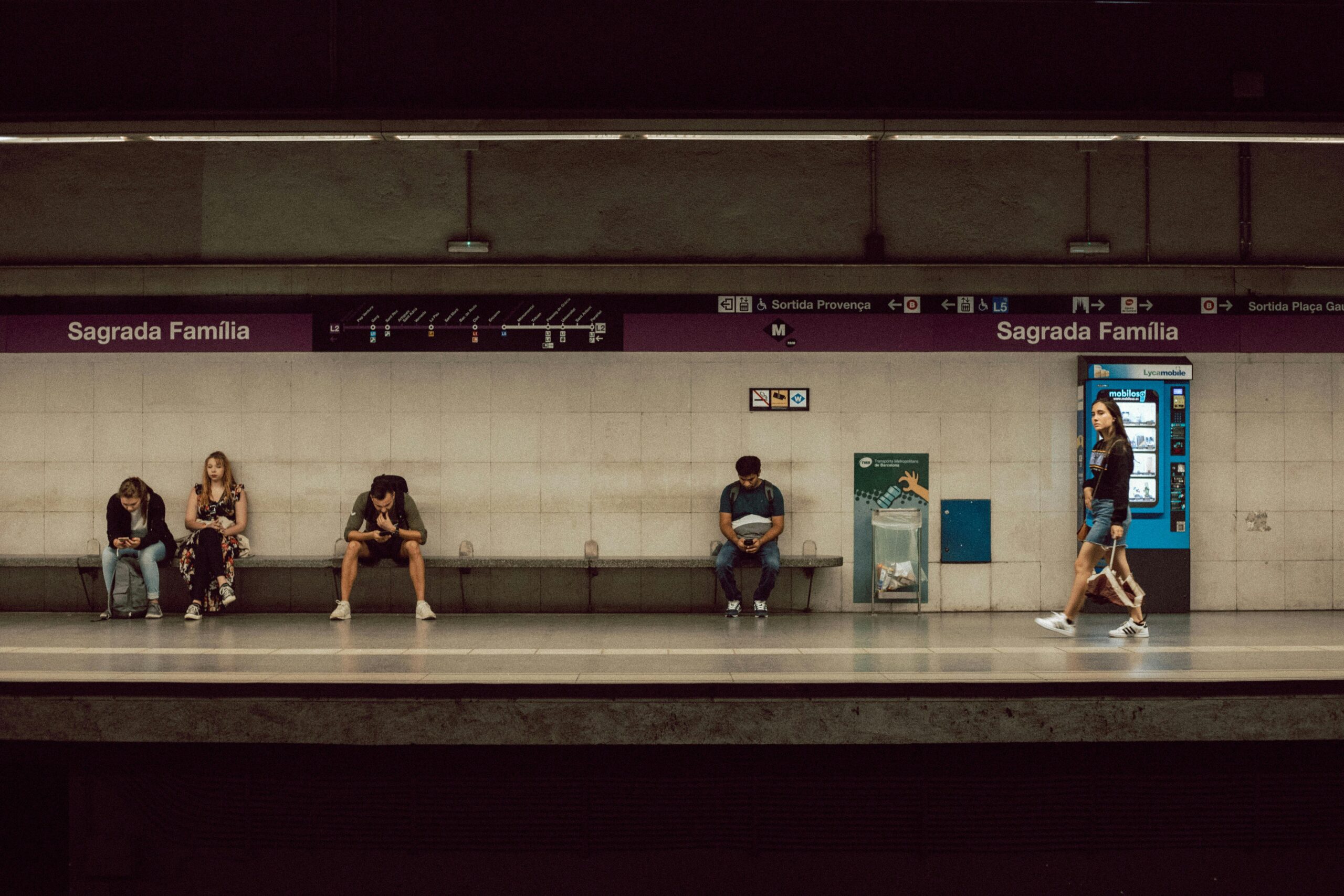
Waiting is a deceptively simple human experience, yet it can stir up a surprising mixture of impatience, anxiety and self-doubt. Whether we are anticipating medical results, exam grades, or a long-delayed promotion, the minutes seem to lengthen, our thoughts spiral, and our sense of control evaporates. Why, in an age famed for instant delivery and real-time communication, does waiting feel so uniquely intolerable?
At its core, the problem is uncertainty. The human brain evolved to predict outcomes and minimise risk. When the future is ambiguous, it responds with hyper-vigilance: we mentally rehearse possibilities, often focusing on the worst ones. Ironically, this attempt to prepare ourselves intensifies the discomfort. Psychologists argue that people would sometimes rather receive bad news immediately than remain suspended in limbo.
Another factor is tempo. Modern technology has trained us to expect speed. We can stream films, order groceries and message friends without delay. This reinforces the illusion that life should always move at our command. When reality refuses to cooperate, we are forced to confront limits we would rather ignore. Waiting exposes how little control we truly have, and that can feel threatening.
Yet waiting is not merely passive time. It can become a psychological arena in which character is tested and resilience is forged. Many people report that, during extended periods of uncertainty, they learned to reflect more deeply, to question priorities, and to cultivate patience. Strangely, the interval before an event may shape us more profoundly than the outcome itself.
Of course, not all waiting is equal. Waiting for opportunity requires perseverance; waiting for danger demands courage. In both cases, our emotional state is shaped less by the clock than by the story we tell ourselves. If we interpret the delay as pointless, we suffer twice — first from uncertainty, and then from resentment. But if we see it as a space for preparation, the experience becomes more bearable, even meaningful.
One practical strategy is to anchor attention in the present rather than obsess over hypothetical futures. Establishing small routines — reading, walking, journalling — helps restore a sense of agency. Another approach is to reframe anticipation as the mind’s natural attempt to protect us, instead of a personal failure. Recognising that everyone struggles with waiting reduces the harsh inner commentary that so often magnifies the stress.
Ultimately, waiting reveals a paradox at the heart of human life: we crave certainty, yet so much lies beyond our command. When we decide to hold on not through denial, but through thoughtful acceptance, waiting becomes less like punishment and more like training. In many situations, the pause before change is not wasted time; it is the calm before the storm — a moment in which we can gather clarity, courage and perspective. Far from being an enemy, waiting may be the teacher we most resist, precisely because it forces us to confront who we are when nothing seems to move.
Grammar Notes
This article uses concessive clauses (e.g., although waiting is simple, it can be painful) to contrast expectations with
reality. It also employs modal verbs of speculation (may, might, would) to discuss possibilities rather than
certainties, and present perfect forms (have trained, have evolved) to link past events with present consequences.
Mini-lesson:
Use might and may to suggest possibilities without asserting certainty:
-
Waiting may feel harder because we lack control.
This is useful in analytical writing where conclusions are tentative rather than absolute.
Join Our FREE English Grammar Course and improve your grammar skills!
Five Questions Based on the Article
-
In what ways does uncertainty intensify the psychological burden of waiting?
-
How has technological convenience reshaped our tolerance for delay?
-
To what extent can waiting contribute to personal growth rather than frustration?
-
How might reframing narratives about waiting alter our emotional responses?
-
What strategies can individuals adopt to maintain agency during prolonged uncertainty?
Join Our Weekly English-speaking Class and improve your speaking skills!
We’d love to hear your thoughts! Join the conversation by leaving a comment below. Sharing your insights, questions, or experiences can help you connect with others in our English learning community. It’s a great way to practice your English skills, engage with like-minded individuals, and improve together. Don’t be shy—jump in and let’s keep the discussion going!