
Exploring Identity and Space: New Immersive Installations in UK Art Scene
 EnglishMasteryHub
Article Level: A1-A2
Explanation: This article introduces new immersive art installations in the UK, showing how they explore identity and space. Visitors can interact with the artworks, enjoy technology, and feel part of the creative experience.
Commonly Used Words from the Article
1. Installation /ˌɪnstəˈleɪʃən/ (noun): A work of art set up in a place.
The gallery has a new immersive installation.
2. Identity /aɪˈdɛntɪti/ (noun): Who a person is.
The artwork helps people think about their identity.
3. Space /speɪs/ (noun): The area around or between objects.
Visitors move carefully through the space.
4. Interactive /ˌɪntərˈæktɪv/ (adj): Designed to involve people actively.
The installation is interactive and fun for children.
5. Projection /prəˈdʒɛkʃən/ (noun): An image shown on a surface like a wall.
The projections on the walls change with movement.
Phrasal Verb
- Walk around /wɔːk əˈraʊnd/ (phrasal verb): To move through or explore a space.
Visitors often walk around the rooms slowly.
Idiom
- Part of the artwork /pɑːt ɒv ði ˈɑːtwɜːk/ (idiom): To feel included in or connected to an experience.
Visitors feel like they are part of the artwork.
Audio File of the Article
Read more: Exploring Identity and Space: New Immersive Installations in UK Art Scene

Exploring Identity and Space: New Immersive Installations in UK Art Scene
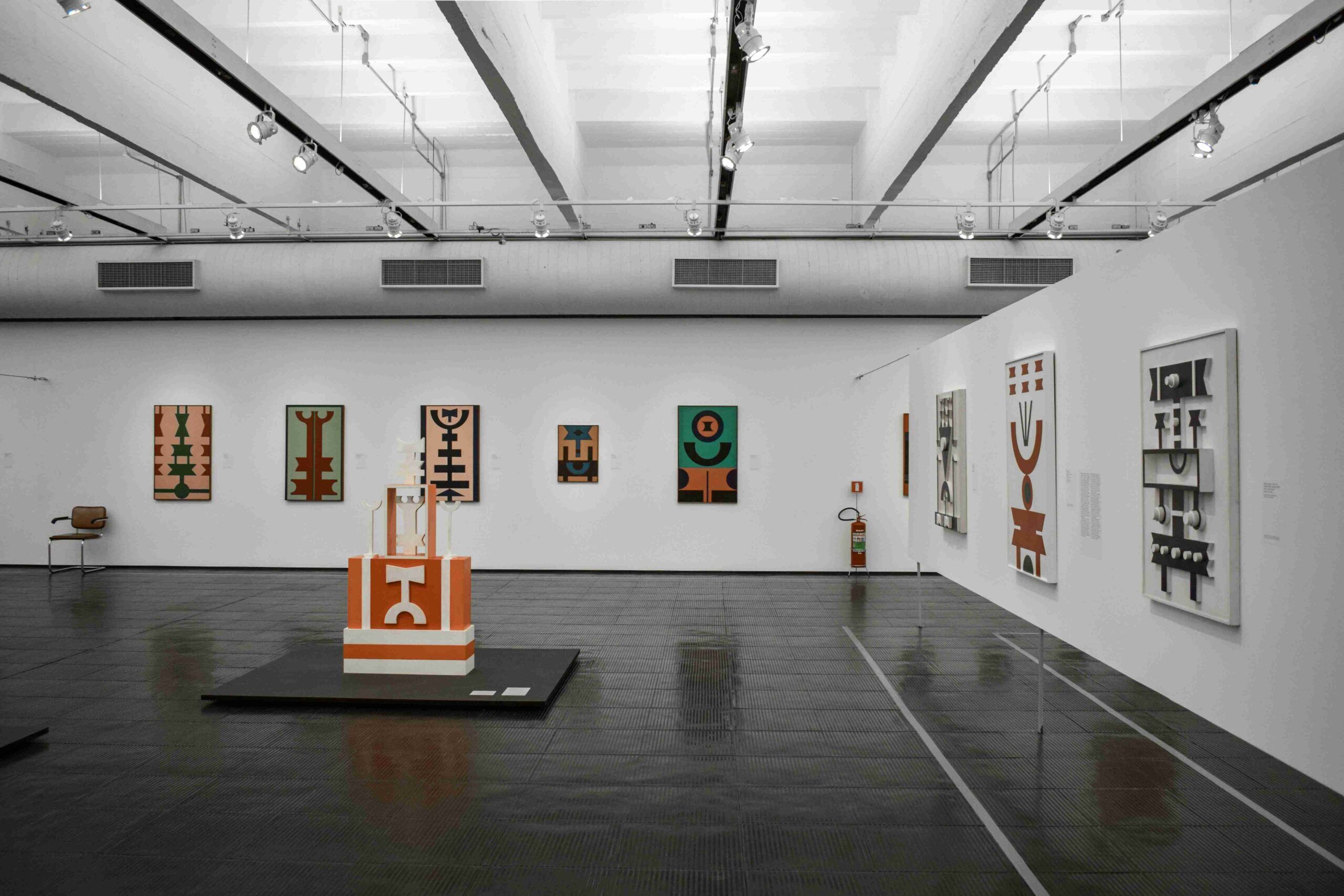
The UK art scene is full of exciting new experiences. This year, many artists are showing immersive installations. These are special artworks that people can walk through, touch, or watch closely. They help visitors feel the art in a new way.
Many of these installations explore identity and space. Identity means who we are and how we see ourselves. Space can be the place around us, a room, or an outdoor area. By combining these ideas, artists create unique experiences for everyone.
For example, at a new exhibition in London, visitors walk through colourful rooms. Each room has sounds, lights, and objects. People feel part of the artwork. The installation makes visitors think about their own identity and how they move in space.
Another installation in Manchester uses mirrors and projections. People see themselves in the mirrors and in the images on the walls. The artist wants visitors to ask questions about identity. How do we see ourselves? How do others see us?
Many installations are designed for all ages. Children, adults, and families can enjoy them. Visitors often walk around the space slowly. They can stop, look, and take photos. The experience is fun and interactive.
Some artists also use technology. Sounds, lights, and projections change as people move. This makes the space feel alive. Visitors feel like they are part of the art. Immersive installations help people see art in a different way.
If you want to visit these exhibitions, check local galleries or museum websites. New immersive art is growing in the UK. Many galleries plan events all year. Visiting these installations is a great way to enjoy art and think about identity and space.
In conclusion, immersive installations in the UK are exciting and interactive. They combine identity, space, art, and technology. Visitors can enjoy, learn, and feel part of the artwork. Art is no longer just for looking; it is for experiencing.
Grammar Notes
-
Present simple: Used to describe facts or routines. Example: “Visitors often walk around the space slowly.”
-
Can (ability): Used to express what people are able to do. Example: “Children and adults can enjoy them.”
-
Prepositions of place: Used to describe where things are. Example: “Visitors walk through colourful rooms.”
-
Plural nouns: Show more than one thing. Example: “Many galleries plan events all year.”
Join Our FREE English Grammar Course and improve your grammar skills!
Five Questions Based on the Article
-
What does “immersive installation” mean?
-
Which two ideas do artists explore in the new UK art installations?
-
Name one city mentioned with immersive art exhibitions.
-
How can visitors experience the installations?
-
Why do artists use mirrors and projections in their work?
Join Our Weekly English-speaking Class and improve your speaking skills!
We’d love to hear your thoughts! Join the conversation by leaving a comment below. Sharing your insights, questions, or experiences can help you connect with others in our English learning community. It’s a great way to practice your English skills, engage with like-minded individuals, and improve together. Don’t be shy—jump in and let’s keep the discussion going!