
A December to Remember: How the UK Prepares for Christmas and New Year
 EnglishMasteryHub
Article Level: C1-C2
Explanation: This article explores how the UK prepares for Christmas and New Year, highlighting festive traditions, markets, food, community events, and the reflective spirit that makes December a memorable and culturally rich season.
Commonly Used Words from the Article
-
Vibrant /ˈvaɪbrənt/ (adjective): Full of energy and activity.
The city becomes vibrant with festive lights and music.
2. Cherished /ˈtʃɛrɪʃt/ (adjective): Highly valued and loved.
Christmas markets are a cherished tradition for many families.
3. Anticipation /ænˌtɪsɪˈpeɪʃən/ (noun): A feeling of excitement for something to come.
The anticipation of the holidays fills the streets.
4. Illuminate /ɪˈluːmɪneɪt/ (verb): To light up something.
High streets are illuminated with colourful decorations.
5. Enthusiasm /ɪnˈθjuːziæzəm/ (noun): Strong excitement or interest.
People prepare for the New Year with great enthusiasm.
Phrasal Verb
- Set about /ˈsɛt əˈbaʊt/ (phrasal verb): To begin doing something, especially with determination.
Families set about preparing their homes for Christmas.
Idiom
- Kick off /kɪk ɒf/ (idiom): To begin an event or activity, especially a celebration.
Cities host grand events to kick off the New Year.
Audio File of the Article
Read more: A December to Remember: How the UK Prepares for Christmas and New Year

A December to Remember: How the UK Prepares for Christmas and New Year
As December descends upon the United Kingdom, towns and cities quickly transform into vibrant hubs of festive activity. The transition from autumn’s calm to winter’s celebrations is more than visual; it represents a cultural shift filled with anticipation, reflection, and a deep appreciation for long-standing traditions.
High streets become illuminated with dazzling lights, while local councils host ceremonies that attract eager spectators. Families, eager to embrace the spirit of the season, often set about decorating their homes, preparing festive recipes, and planning gatherings. These small yet meaningful rituals help create warmth and unity during the year’s coldest weeks.
Workplaces also adapt to the seasonal mood. In offices across the country, employees exchange small gifts, participate in charity events, and join end-of-year celebrations that encourage team spirit. These activities help colleagues strengthen their sense of community, especially as December’s pace begins to accelerate.
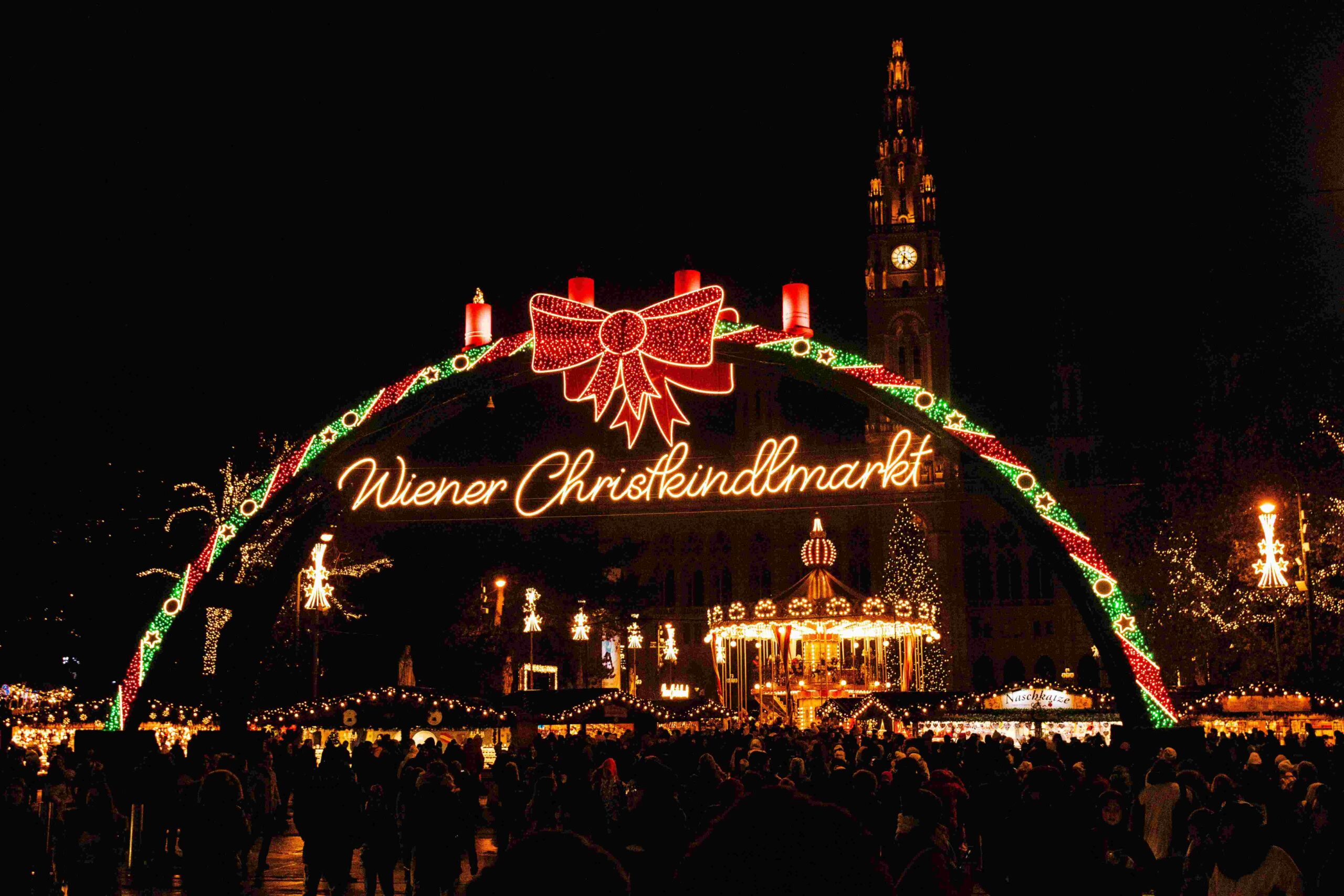
Shops and Christmas markets add further excitement. From London to Manchester, festive stalls offer artisan goods, mulled wine, traditional pastries, and handmade souvenirs. Visiting these markets has become a cherished seasonal outing, blending nostalgia with modern craftsmanship for people of all ages.
Food preparation, too, becomes an essential focus. Homes fill with the scent of roasted meats, spiced desserts, and simmering winter drinks. Supermarkets grow busier as cooks refine their menus, ensuring every detail is ready for the celebrations that lie ahead.
When Christmas has passed, the nation prepares for the New Year with equal enthusiasm. Cities such as London and Edinburgh host spectacular events to kick off the incoming year. Edinburgh’s Hogmanay remains one of the world’s most iconic celebrations, transforming the city into a stage of music, fireworks, and joyful crowds. The atmosphere reflects the British desire to welcome the future with optimism and energy.
As the final days of the month unfold, many people engage in personal reflection. They think about achievements, challenges, and aspirations, hoping to enter January with renewed determination. This period often becomes a moment of clarity in which individuals evaluate the past and re-imagine the future.
Ultimately, December in the UK is defined by celebration, connection, and thoughtful reflection. It is a season that encourages people to slow down, reconnect, and savour the traditions that make this time of year extraordinary. With its mixture of cultural heritage and modern festivities, it truly becomes a December to remember.
Grammar Notes
-
-
-
Complex and compound sentences
-
Present simple for traditions and routines
-
Present continuous for ongoing seasonal activities
-
Advanced nominalisation (preparation, reflection, celebration)
-
Non-finite clauses (e.g., hoping to enter January…)
Mini Lesson: Non-Finite Clauses
A non-finite clause uses a verb in – ing, – ed, or infinitive form without showing tense.
Example from article:-
Hoping to enter January with renewed determination…
Why use it?
-
Creates a sophisticated, fluid writing style
-
Adds information without starting a new sentence
-
-
Join Our FREE English Grammar Course and improve your grammar skills!
Five Questions Based on the Article
-
How does the article portray the balance between tradition and modern celebration during December in the UK?
-
In what ways do Christmas markets contribute to both cultural and economic life?
-
What significance does workplace participation hold in the seasonal atmosphere?
-
How is Hogmanay used to illustrate the UK’s approach to welcoming the New Year?
-
Why are reflection and personal evaluation emphasised at the end of December?
Join Our Weekly English-speaking Class and improve your speaking skills!
We’d love to hear your thoughts! Join the conversation by leaving a comment below. Sharing your insights, questions, or experiences can help you connect with others in our English learning community. It’s a great way to practice your English skills, engage with like-minded individuals, and improve together. Don’t be shy—jump in and let’s keep the discussion going!