
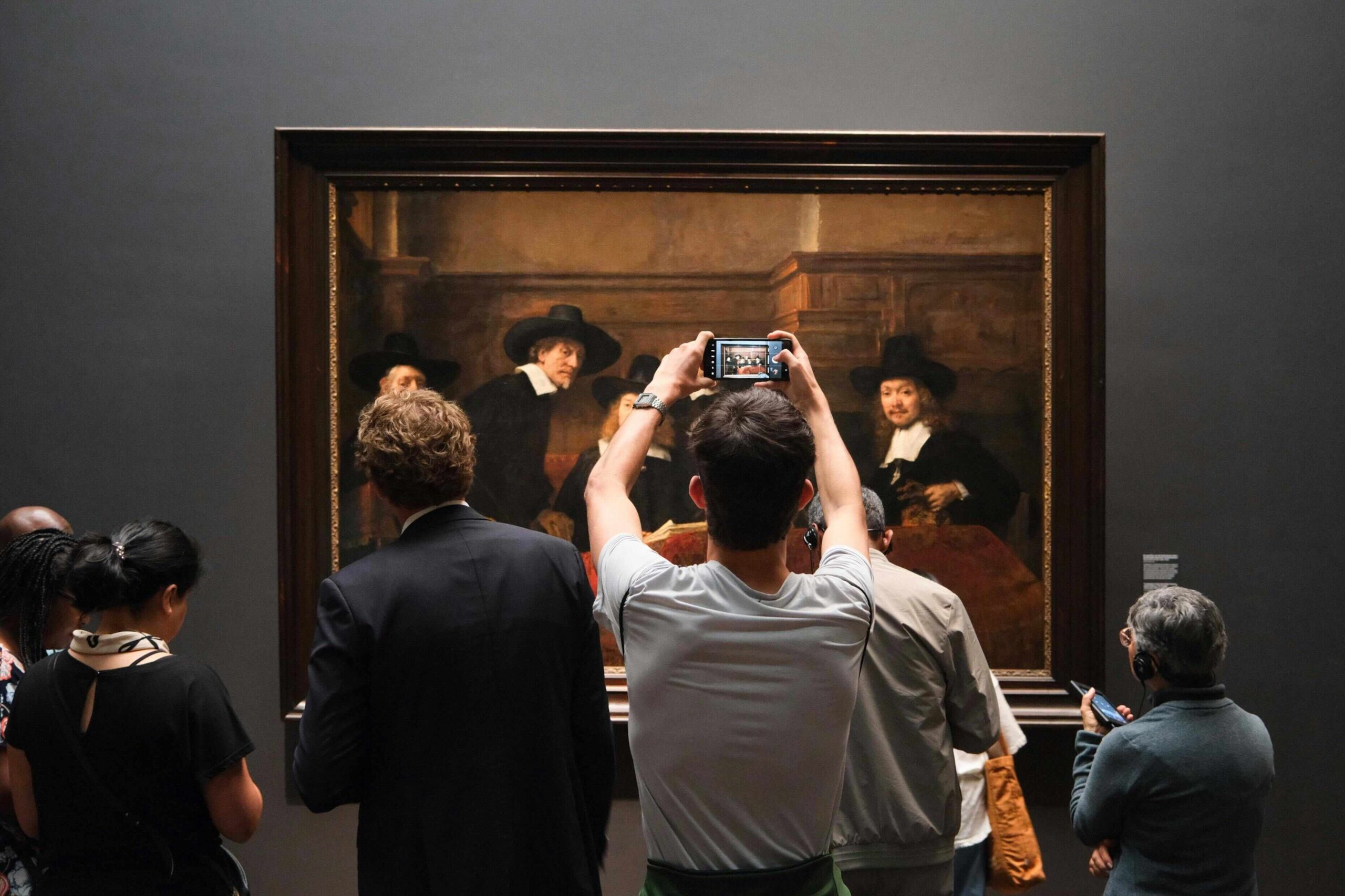
The Mental and Cultural Benefits of Visiting Museums
 EnglishMasteryHub
Article Level: B1-B2
Explanation: This article explains how visiting museums supports mental well-being and cultural understanding. It highlights stress reduction, learning, critical thinking, and social connection as key benefits of museum visits.
Commonly Used Words from the Article
1. Benefit /ˈbɛnɪfɪt/ (noun): A helpful or positive result
Visiting museums has many mental benefits.
2. Heritage /ˈhɛrɪtɪdʒ/ (noun): Traditions and history passed down
Museums protect cultural heritage.
3. Reflect /rɪˈflɛkt/ (verb): To think deeply about something
Visitors can reflect on history and art.
4. Awareness /əˈwɛːnəs/ (noun): Knowledge or understanding
Museums build cultural awareness.
5. Engage /ɪnˈɡeɪdʒ/ (verb): To attract attention or interest
Interactive exhibits engage visitors.
Phrasal Verb
- Take away /ˈteɪk əˈweɪ/: To gain or learn something
Visitors take away new ideas after visiting a museum.
Idiom
-
A breath of fresh air /ə brɛθ əv frɛʃ ɛə/ :Something new and refreshing
A museum visit is a breath of fresh air in a busy routine.
Audio File of the Article
Read more: The Mental and Cultural Benefits of Visiting Museums

The Mental and Cultural Benefits of Visiting Museums
Visiting museums offers more than just a chance to see old objects or famous artworks. It provides important mental and cultural benefits that can improve our well-being and broaden our understanding of the world. In today’s fast-paced life, museums can be a breath of fresh air, allowing people to slow down, reflect, and learn in a calm environment.
One major mental benefit of visiting museums is stress reduction. Quiet exhibition spaces and thoughtful displays help visitors relax and focus their minds. When people walk through a museum, they often forget daily worries and feel more present in the moment. Studies have shown that engaging with art and history can lower stress levels and improve mood. In this way, museums support mental health in a natural and enjoyable way.
Museums also encourage critical thinking. Visitors are invited to ask questions, compare ideas, and form personal opinions. Historical museums help people understand past events, while art museums invite them to interpret meaning and emotion. This active thinking keeps the brain engaged and supports lifelong learning. Over time, regular museum visits can help people take away new perspectives that influence how they see society and themselves.
From a cultural point of view, museums play a key role in preserving heritage. They protect traditions, stories, and knowledge from different cultures and generations. By visiting museums, people learn about their own background as well as the lives of others. This builds cultural awareness and respect. For example, exhibitions about world cultures help visitors understand differences while also noticing shared human values.
Museums are also powerful educational spaces. Unlike classrooms, they offer hands-on experiences that make learning more memorable. Interactive displays, guided tours, and audio guides help visitors of all ages understand complex topics more easily. Children and adults alike can connect with information in a visual and practical way, which improves understanding and memory.
Another benefit is social connection. Museums are places where families, friends, and communities can spend meaningful time together. Discussing exhibits encourages conversation and shared learning. These experiences strengthen relationships and create lasting memories.
In conclusion, museums are valuable spaces that support both mental well-being and cultural understanding. They reduce stress, encourage thinking, preserve heritage, and bring people together. In a busy world, visiting a museum can truly be a breath of fresh air, offering knowledge, inspiration, and peace all in one place.
Grammar Notes
-
-
-
Present Simple (general facts)
-
Modal verbs (can, may)
-
Cause-and-effect linkers (in this way, for example)
-
Relative clauses (that, which)
Mini Grammar Lesson
The present simple is used to describe general truths and habits.
Example: Museums protect cultural heritage.Modal verbs like can are used to talk about ability or possibility.
Example: Museums can improve mental health. -
-
Join Our FREE English Grammar Course and improve your grammar skills!
Five Questions Based on the Article
-
How do museums help people reduce stress?
-
Why do museums encourage critical thinking?
-
What cultural benefits do museums provide?
-
How are museums different from traditional classrooms?
-
Why are museums good places for social interaction?
Join Our Weekly English-speaking Class and improve your speaking skills!
We’d love to hear your thoughts! Join the conversation by leaving a comment below. Sharing your insights, questions, or experiences can help you connect with others in our English learning community. It’s a great way to practice your English skills, engage with like-minded individuals, and improve together. Don’t be shy—jump in and let’s keep the discussion going!