
How Do Home Colour Choices Affect Our Mood?
 EnglishMasteryHub
Article Level: B1-B2
Explanation: This article explains how home colour choices affect mood and emotions. It shows how warm, cool, and neutral colours influence energy, calmness, and comfort, helping readers choose colours that support well-being and daily life.
Commonly Used Words from the Article
1. Mood /muːd/ (noun): A person’s emotional state
Colours can change your mood quickly.
2. Calming /ˈkɑːmɪŋ/ (adjective): Making you feel relaxed
Blue has a calming effect.
3. Balance /ˈbæl.əns/ (noun): A state where things are equal or stable
Green creates balance in a room.
4. Atmosphere /ˈæt.mə.sfɪə/ (noun): The feeling of a place
Soft lighting creates a warm atmosphere.
5. Influence /ˈɪn.flu.əns/ (verb): To affect something
Colours influence how we feel at home.
Phrasal Verb
- Bring about /brɪŋ əˈbaʊt/ : To cause something to happen
Neutral colours can bring about a sense of balance.
Idiom
-
Set the mood /set ðə muːd/ : To create a certain feeling or atmosphere
Warm colours help set the mood for social spaces.
Audio File of the Article
Read more: How Do Home Colour Choices Affect Our Mood?

How Do Home Colour Choices Affect Our Mood?
The colours we choose for our homes can have a strong effect on how we feel every day. Colour is not only about style or fashion; it also influences our mood, energy levels, and comfort. By understanding how different colours affect emotions, we can create living spaces that support our mental well-being and daily life.
Warm colours such as red, orange, and yellow are often linked to energy and excitement. Red can increase heart rate and create strong emotions, which is why it is sometimes used in dining rooms. However, too much red may feel overwhelming. Yellow is often connected with happiness and optimism, making it a popular choice for kitchens and hallways. These warm colours can help set the mood for social spaces, but they should be used carefully to avoid stress.
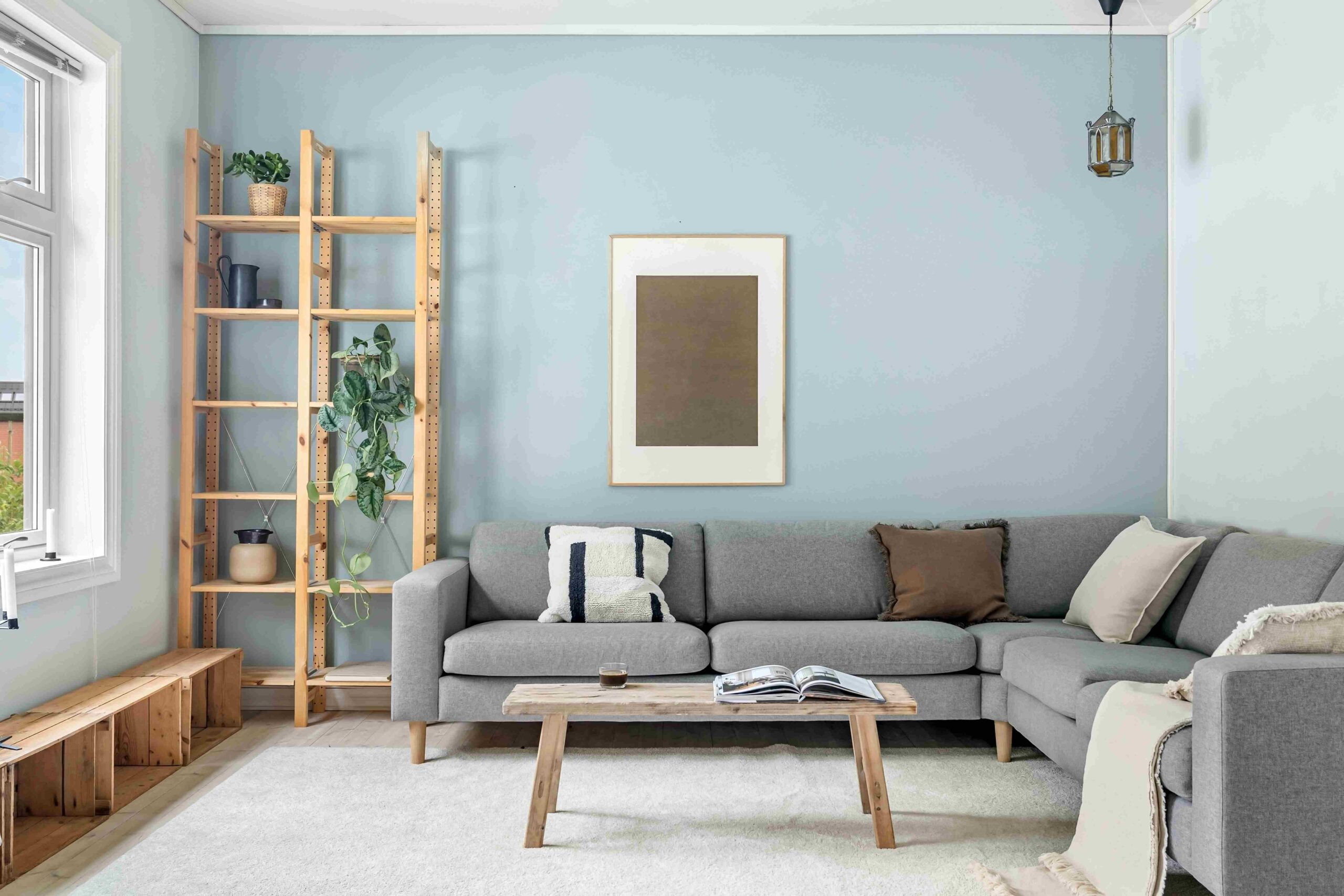
Cool colours like blue, green, and purple usually have a calming effect. Blue is known to reduce stress and support relaxation, which makes it ideal for bedrooms and bathrooms. Green is associated with nature and balance, helping people feel refreshed and peaceful. Light shades of purple can feel creative and relaxing, while darker shades may feel more serious. Using cool colours can help you slow down and feel more comfortable at home.
Neutral colours such as white, beige, and grey create a sense of space and simplicity. White can make a room feel clean and open, but too much white may feel cold or empty. Beige and soft grey add warmth while keeping a calm atmosphere. Neutral colours are often used as a base, allowing furniture and decorations to stand out. They also help to bring about a balanced and organised look.
The amount of light in a room also changes how colours appear. Natural light makes colours look brighter and more natural, while artificial light can change their tone. For example, a blue wall may look fresh during the day but darker at night. This is why it is important to test colours at different times before making a final decision.
Personal experience and culture also play a role in how we react to colours. A colour that feels relaxing to one person may feel boring to another. The key is to choose colours that match your personality and lifestyle. By making thoughtful choices, you can design a home that supports your emotions and improves your quality of life.
Grammar Notes
-
-
Present Simple (facts and general truths)
-
Modal verbs (can, may)
-
Cause-and-effect structures
-
Comparative language (stronger, calmer)
Mini Grammar Lesson:
We use the present simple to talk about general facts:-
Colours influence our mood.
We use modal verbs like can and may to show possibility or effect:
-
Red can increase energy.
-
Too much white may feel cold.
-
Join Our FREE English Grammar Course and improve your grammar skills!
Five Questions Based on the Article
-
Why do home colours affect our mood?
-
Which rooms are best suited for cool colours?
-
How do neutral colours change the feeling of a room?
-
Why is lighting important when choosing colours?
-
How can personal preference influence colour choice?
Join Our Weekly English-speaking Class and improve your speaking skills!
We’d love to hear your thoughts! Join the conversation by leaving a comment below. Sharing your insights, questions, or experiences can help you connect with others in our English learning community. It’s a great way to practice your English skills, engage with like-minded individuals, and improve together. Don’t be shy—jump in and let’s keep the discussion going!